
• Skip to main content
  • Skip to header right navigation
  • Skip to site footer
Ampers logo

AMPERS

Minnesota's Community Radio Stations

  • Our Programs
    • All Programs
    • North Star Stories
    • North Star Stories Daily Headlines
    • North Star Stories en español
    • MN90: Minnesota History in 90 Seconds
    • Minnesota Native News
    • Native Lights: Where Indigenous Voices Shine
    • Veterans’ Voices
    • Minnesota’s Legacy
    • Keep Moving Forward
    • Take Control of Your Health
    • U.S.-Dakota War of 1862
  • About Us
    • Who is AMPERS?
    • Staff & Board
    • Governing Policies & Finance
    • Press Room & Media Relations
    • Arts & Cultural Heritage Fund
    • Awards
    • Scholarships
    • Jobs & Opportunities
  • Our Stations
  • Our Supporters
  • Contact Us
  • Donate

MN90: Minnesota History in 90 Seconds
on June 20, 2024

FacebookTweetLinkedInEmail

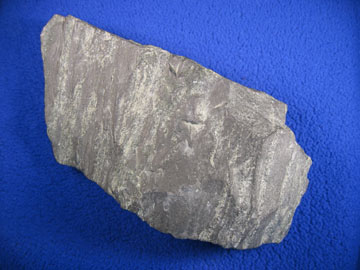
Taconite

Home > MN90: Minnesota History in 90 Seconds > Taconite

Taconite can be found all over Minnesota’s iron range, but at first it lacked in iron. Learn how it became viable.

—–

Editor: Britt AamodtProducer: Autumn HaegEditorial support: Emily KrumbergerMixing & mastering: Chris Harwood

—–

For the latest episode drops and updates, follow us on social media. 

instagram.com/ampersradio/

Facebook.com/MN90Ampers

Never miss a beat. Sign up for our email list to receive news, updates and content releases from AMPERS. ampers.org/about-ampers/staytuned/ 

This show is made possible by community support. Due to cuts in federal funding, the community radio you love is at risk. Your support is needed now more than ever. Donate now to power the community programs you love: ampers.org/fund


Transcript

MN90 Intro: Welcome to MN90: Minnesota History in 90 Seconds.

The term taconite originates from the Taconic Mountains in New England, named by Newton Horace Winchell in 1892 due to its resemblance to rocks found in Minnesota's Iron Range. Despite its low iron content, initially taconite gained attention for its potential as an iron ore source. The Mesabi Syndicate, led by Edward W. Davis, developed a method to extract the iron from taconite, leading to the establishment of the Mesabi Iron Company in 1919. Early attempts at commercialization were unsuccessful. Over time, advancements in processing technology and the depletion of natural ore reserves increased the viability of taconite mining. The establishment of favorable taxation policies and the first taconite mine by Reserve Mining Company in 1955 further solidified its importance to Minnesota. Controversy arose over environmental concerns related to the tailings disposal in Lake Superior, leading to regulatory actions by the Environmental Protection Agency. Despite challenges, taconite mining remained a significant economic driver for the Iron Range, even amidst fluctuations in the steel industry.

MN90 Outro: MN90 is produced by AMPERS, Minnesota’s community radio stations, made possible by funding from the Minnesota Arts and Cultural Heritage Fund. Online at mn90.org.

AMPERS logo in black
  • Facebook
  • Instagram
  • LinkedIn
  • YouTube

Teacher Resources
Accessibility
Copyright policy
Privacy policy
Terms of use

Funding for arts, cultural, and historical programs on this site is made possible by the Minnesota Arts and Cultural Heritage Fund and the citizens of Minnesota. For more information about Ampers’ Arts and Cultural Heritage Fund (Legacy) programming click here.

Copyright © 1972–2026 Association of Minnesota Public Educational Radio Stations. All rights reserved.

The Association of Minnesota Public Educational Radio Stations (AMPERS) is a registered 501(c)(3) nonprofit. EIN: 41-1388406