
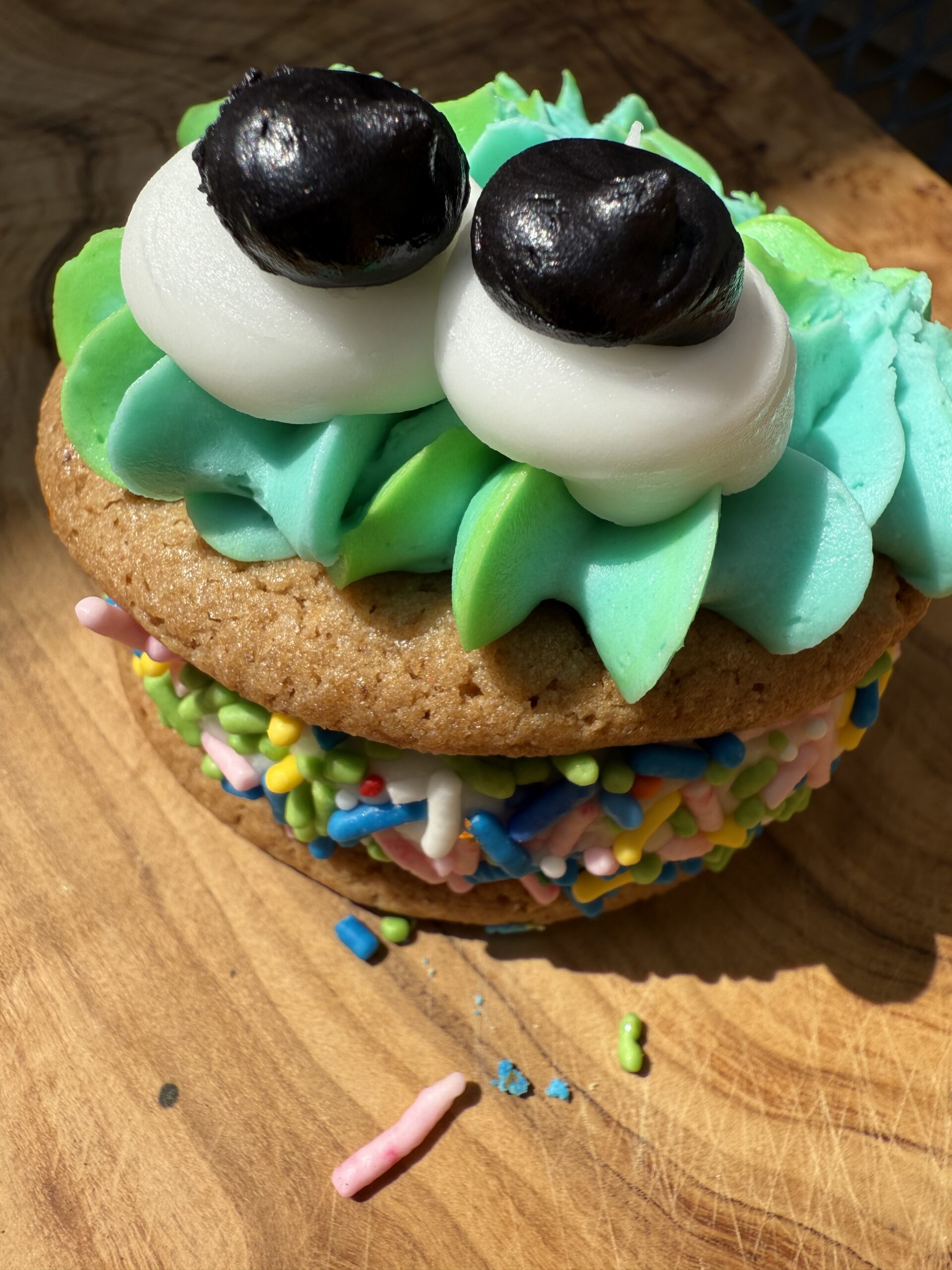
The State secures federal funding for education. Then, what is in our food? Why lawmakers are banning some popular food dyes. And, a new renewable energy project gets the green light in Minnesota.
—–Executive Producer: Victor Palomino Producer: Britt AamodtAnchor: Grace Jacobson Reader scripting: Victor PalominoFact checking: Joel Glaser, Victor Palomino Editorial support: Emily Krumberger Mixing & mastering: Chris Harwood
Transcript
[sound element: NSS intro theme]
HOST: This is North Star Stories: Voices from Where We Live. Today in Minnesota…
ANCHOR: …The State secures federal funding for education. Then, what is in our food? Why lawmakers are banning some popular food dyes. And, a new renewable energy project gets the green light.
I'm Gracie J.
Minnesota Attorney General says his office has secured an agreement requiring the federal government to release the full balance of education funds that had been frozen. The Trump administration withheld 74 million dollars from Minnesota and hundreds of millions nationwide, affecting after-school programs, teacher preparation, and support for English learners. The state Attorney General and a coalition of states sued, calling the freeze unlawful. Under the agreement, the administration will release the remaining money by early October, and both sides have moved to dismiss the lawsuit. The attorney general's office says it will keep fighting if the feds try and withhold funds again in the future.
Next, the US Food and Drug Administration and some Minnesota lawmakers want to ban a popular food additive. Producer Britt Aamodt tells us why.
Britt Aamodt: Mary Beth Gilsdorf kept waiting for her daughter to age out of her tantrums.
Mary Beth Gilsdorf: We went through the terrible twos, and then what I consider the worst threes. But then we got to four, and it was like, wow, this is really still not getting better. And then we got to school.
Britt Aamodt: Like many parents, this mom from northwest Minnesota hit the internet trying to figure out what was going on.
Mary Beth Gilsdorf: A lot of the symptoms I was Googling, it kept coming up with, oh, ADHD. I know that's not my daughter.
Britt Aamodt: Then around 2003, when her daughter was six, she heard about a connection between artificial dyes used in foods and behavioral issues with kids. She decided to weed them out of their diet. It couldn't hurt.
Mary Beth Gilsdorf: For a week. It didn't take very long, but the difference was overwhelming. My example was we had dinner one night and she spilled milk. My husband and I and even our younger daughter, the whole table just held our breath, because that was the kind of thing that would set off a night of tantrums and tears. And instead, my daughter paused and said, "I'll go get a rag and I'll clean that up."
Britt Aamodt: The idea that artificial food dyes could impact health was a movement slowly gaining exposure until April 2025, when the US Food and Drug Administration declared an intention to phase out six synthetic dyes by the end of next year. Minnesota-based General Mills promised to remove the dyes from its US cereals and K-12 foods by next summer. Europe and California have already banned the dyes, and some Minnesota lawmakers have proposed a bill that would do the same.
Dr. Joanne Slavin: We're all on board for that.
Britt Aamodt: Dr Joanne Slaven is a professor in the University of Minnesota's Department of Food Science and Nutrition. She says there's no reason artificial food dyes, which are petroleum-derived chemicals, need to be in our food supply when natural alternatives are available. But she worries about fast-tracking their removal.
Dr. Joanne Slavin: We go in and make these policies that aren't practical for the people that have to feed the world, you know, whether you're at school lunch or a hospital or your family.
Britt Aamodt: To her, food security is the more pressing issue. A hasty ban could impact food availability to schools, food shelves, shelters and the SNAP food assistance program. She also adds that the ban isn't a magic bullet. Artificial colors tend to be found in—
Dr. Joanne Slavin: What we could call junk foods in the past, or ultra processed foods.
Britt Aamodt: Those pre-packaged, shelf-stable goodies that can contain loads of sodium, sugar, saturated fats and preservatives. Still, removing the artificial colors is a good step forward for Mary Beth Gilsdorf, who, over 10 years ago, created the Facebook group Dye Free Kids to give another space for families who wanted to ask questions and share knowledge.
Mary Beth Gilsdorf: It's overdue. It adds nothing nutritionally or health wise. And not all kids are affected by it, but the ones that are, it's very impactful.
Britt Aamodt: This is Britt Amit for North Star Stories.
ANCHOR: You are listening to North Star Stories.
The Minnesota Public Utilities Commission has approved a site permit for the Snowshoe Energy Storage Project, the state's first stand-alone battery storage facility. Located in Olmsted County between Byron and Rochester, the 150-megawatt project will store excess electricity for up to four hours and release it during high-demand periods. Officials say it will help smooth energy fluctuations and support more renewable power on the grid. The Battery Energy Storage Systems must coordinate with local governments and emergency responders on water main plans, emergency equipment, and training, all at the company's expense. The facility is expected to be online by late 2027.
[sound element: NSS outro theme]
HOST: North Star Stories is produced by AMPERS, diverse radio for Minnesota's communities, with support from the McKnight Foundation and the State of Minnesota. Online at ampers dot org.