
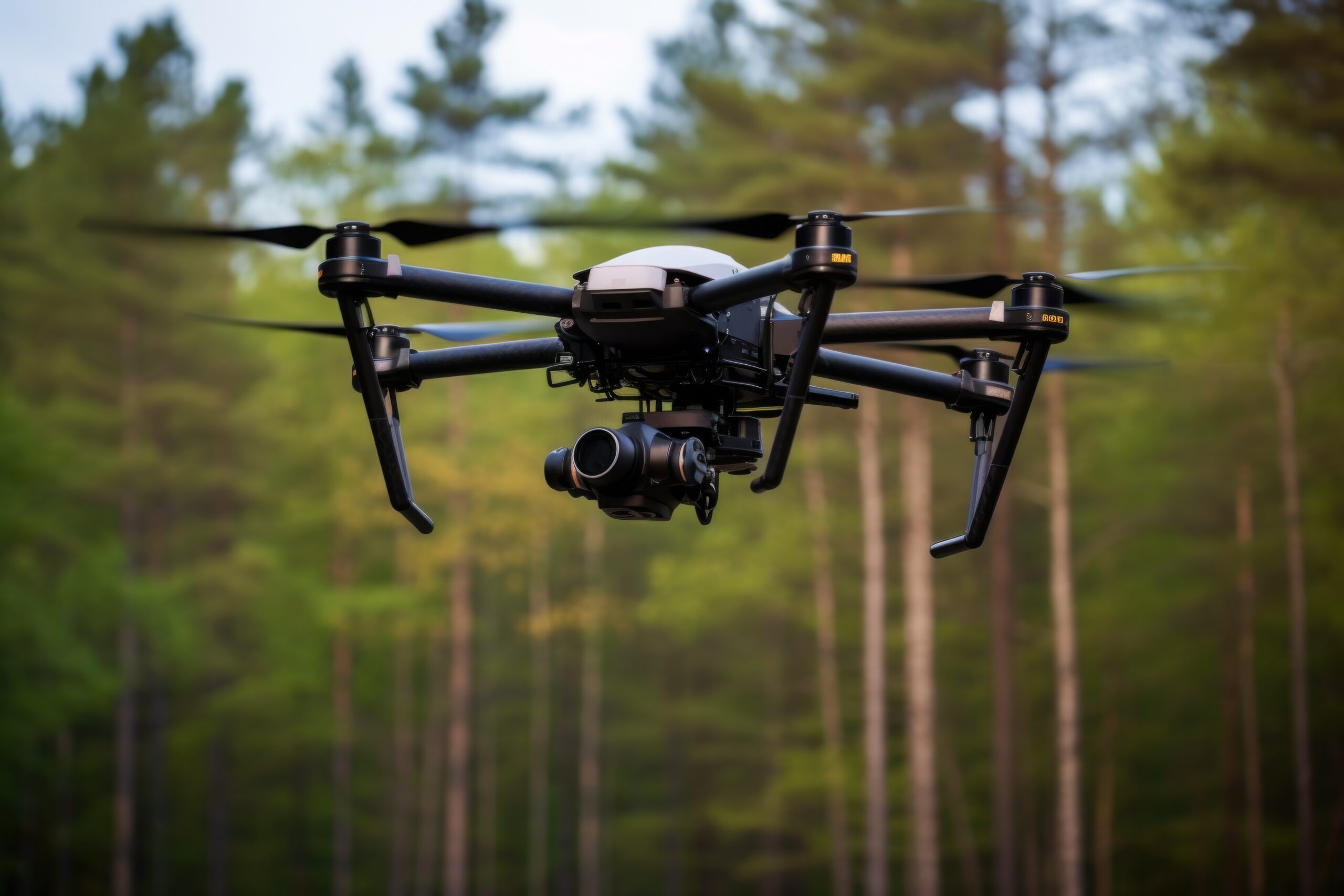
A new scam is targeting residents in Northern Minnesota. Then, the state has a new law about police drones. And, colleges and universities will carry more opioid overdose drugs, like Narcan, on campus.
—–Executive Producer: Victor Palomino Producer: Faaya Adem Anchor: Grace Jacobson Reader scripting: Frankie Felegy Fact checking: Joel Glaser, Victor Palomino Editorial support: Emily Krumberger Mixing & mastering: Chris Harwood
Transcript
[sound element: NSS intro theme]
HOST: You're listening to North Star Stories: Voices from Where We Live. Today in Minnesota…
ANCHOR: …a new scam targeting residents in Northern Minnesota. Then, Minnesota has new laws for the police drones, and colleges and universities will carry more opioid overdose drugs
I'm Gracie J.
The St. Louis County Sheriff in Northern Minnesota is warning residents about a new scam. The Sheriff says they've received numerous calls about emails claiming to be from the St. Louis County Planning and Zoning Department. The emails include an invoice demanding that money be wired to various locations. The Sheriff says these scams are becoming more common and says the county will never ask that money be wired, sent via gift card, or paid in any other unusual manner. Authorities suggest you look up a phone number and call the entity supposedly sending you the invoice, but you should not respond to the actual email you receive.
Ahead, a new law now allows law enforcement to use drones without a warrant in Minnesota. The law adds exceptions for specific situations.
As Reporter Faaya Adem tells us, some are applauding the new laws while others are concerned about privacy issues.
Faaya Adem: A new law that just went into effect makes it easier for police to use unmanned aerial vehicles, also known as drones, without requiring a warrant. Law enforcement officials say it will increase public safety.
James Stuart: We want public safety professionals to be able to respond to a wider variety of requests by the public to use those drones to assist them.
Faaya Adem: James Stuart is the executive director and CEO for the Minnesota Sheriff's Association.
Stuart: I think it reintroduces a little bit of cooperation with the community and with common sense while not losing any oversight on the need for privacy and for people's rights to be maintained.
Faaya Adem: The law permits the use of drones to search for missing people, preserve or protect evidence, locate a correctional facility escapee, and assist in the pursuit of a suspect. Police used drones to track the suspect who killed Speaker Emerita Hortman and her husband.
Stuart: We agree that we want to be transparent. And so, any flights are documented and recorded and publicized.
Faaya Adem: Under Minnesota law, police must document every use of a drone, including the purpose and legal basis for its deployment. It also still requires search warrants in certain circumstances.
[sound: North Star Stories theme music transition]
Ryan Smith: I would say the most common drone deployment that we have is generally in response to some kind of an emergency.
[sound: Drone SFX]
Faaya Adem: Ryan Smith is a police officer and defensive tactics instructor for the Brooklyn Park Police Department.
Ryan Smith: The idea or the theory behind drone as first responder is throughout a city, you would have locations, depending upon the size of the city, you would have locations where, on top of buildings, there is a dock. And there from those docks, you house drones.
[sound: North Star Stories theme music transition]
Faaya Adem: Not everyone is on board. Some community organizations have raised concerns about how these drones are used.
Munira Mohamed: Drones are really critical as well as dangerous, potentially dangerous technology, and it's important that we have our civil liberties and civil rights protected when law enforcement is using them.
Faaya Adem: Munira Mohamed is a policy associate for the ACLU of Minnesota.
Munira Mohamed: And it's something that we just have to watch out for and kind of always remind lawmakers that, you know, there's a delicate balance here, that drones have a practical use, and they can also be a really invasive technology that essentially creates kind of a surveillance society. And that's something that we've been fighting back against for a while now.
Faaya Adem: Munira said the original language allowing drones to track fleeing suspects would've weakened existing safeguards and created unrestricted usage. The ACLU of Minnesota worked with lawmakers and law enforcement agencies to negotiate the language of the bill to ensure it was clearly interpreted and that civil liberties were protected.
This is Faaya Adem, for North Star Stories.
[sound: North Star Stories theme music transition]
ANCHOR: You are listening to North Star Stories.
Higher education students can expect to see more opioid overdose drugs like Narcan on campus. A new Minnesota law has increased requirements for colleges and universities in the Minnesota State system. Each campus housing building now needs to have two doses of these overdose drugs available. The law also requests, but does not require, the University of Minnesota system to do the same. The Centers for Disease Control says the drugs are not harmful even when taken by someone not overdosing on an opioid.
[sound element: NSS outro theme]
HOST: North Star Stories is produced by AMPERS, diverse radio for Minnesota's communities, with support from the McKnight Foundation and the State of Minnesota. Online at ampers dot org.