
As we approach the deadline set by the governor, we take a look at the state of broadband in Minnesota. Then, a man pleads guilty to mosque arsons. And, more than 50-thousand students benefit from a unique financial aid program.
—–Executive Producer: Victor Palomino Producer: Jose OzoriaAnchor: Grace Jacobson Reader scripting: Victor PalominoFact checking: Joel Glaser, Victor Palomino Editorial support: Emily Krumberger Mixing & mastering: Chris Harwood
Transcript
[sound element: NSS intro theme]
HOST: You're listening to North Star Stories: Voices from Where We Live, a daily newscast about what it means to live in Minnesota.
ANCHOR: As we approach the deadline set by the governor, we take a look at the state of broadband in Minnesota. Then, a man pleads guilty to mosque arsons. And, more than 50-thousand students benefit from a unique financial aid program.
I'm Gracie J.
A 38-year-old man pleaded guilty to arson and damaging religious property after setting fires at two Minnesota mosques. Prosecutors say the man lit a blaze inside an Islamic Center in Minneapolis in April 2023, then set fire to a Mosque in Bloomington the next day. The man will be sentenced at a later date. The plea comes after a report last week that a Minneapolis mayoral candidate and state Senator's campaign office was vandalized with an Islamophobic message and threat painted on a wall.
Next, Gov. Tim Walz set an ambitious goal for all Minnesotans to have broadband access. While progress has been made throughout the state, as we approach the 2026 deadline, it appears the state will fall far short of that goal. Jose Ozoria has the story.
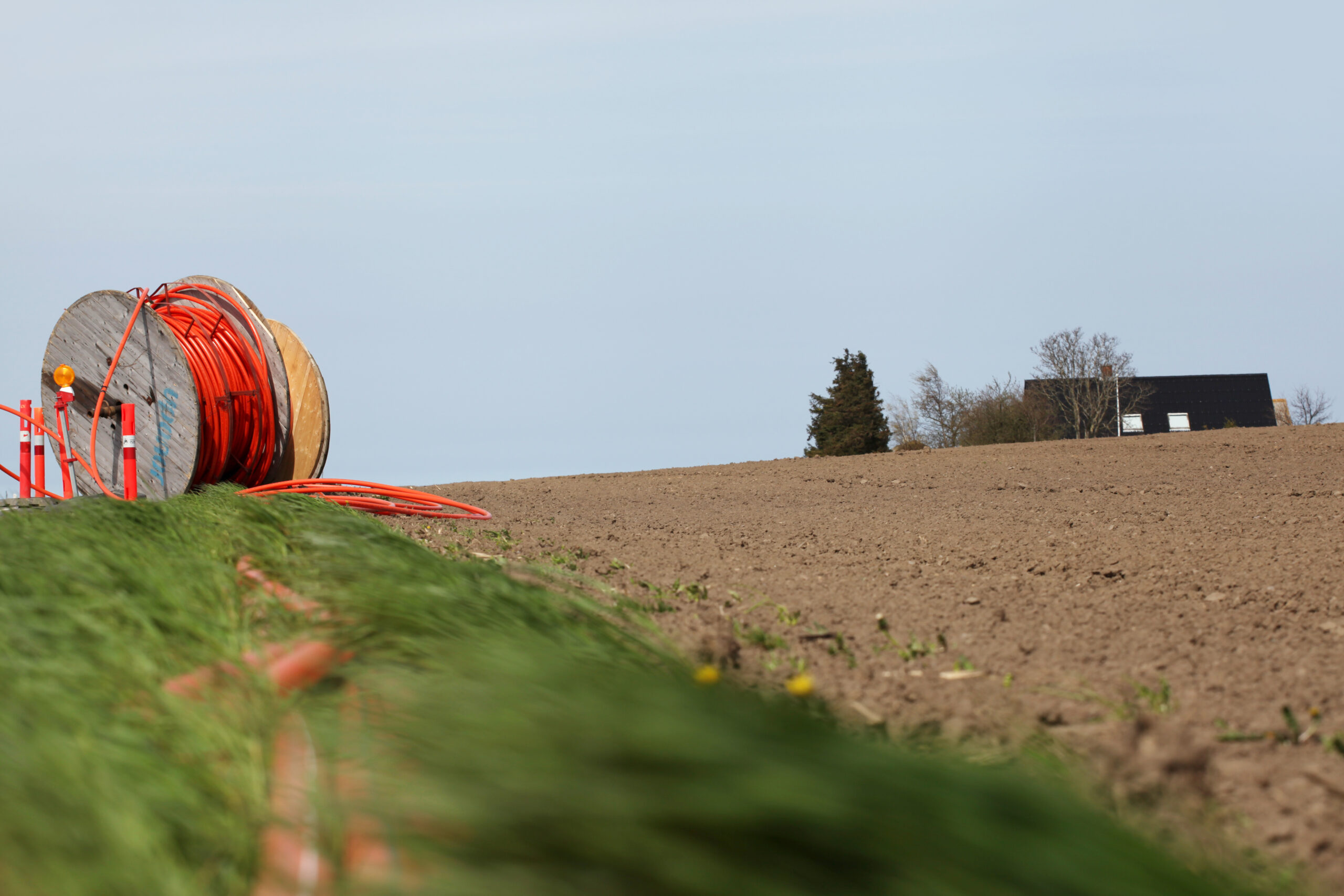
Jose Ozoria: Minnesota has an ambitious goal of establishing high speed broadband connectivity throughout the state by 2026. While progress has been made, as we approach the end of 2025, it appears the state will fall short of that goal, with large pockets of Minnesota having no internet service, poor internet service, or inconsistent internet service. Bree Maki, the Executive Director of the Office of Broadband Development, shares some of the most recent data based on numbers in December of 2024.
Bree Maki: There was still about 143,000 homes and businesses that do not have the 25/3 speeds in their homes or places of business, and about another 189,000 homes and businesses that are lacking 100/20.
Jose Ozoria: These findings mean approximately 143,000 Minnesota homes and businesses are without basic internet for uploading and downloading content. The 2024 numbers also indicate that thousands of homes and businesses lack access to high speed internet. Ms. Maki says that these conditions are widespread based on very specific factors.
Bree Maki: There are pockets across the state and in almost every county. Minnesota is a really big state, a huge agricultural state, and the density is less the further out we go. No matter where you are in the state, if you don't have it, you're impacted.
Jose Ozoria: Scott County in the southwest Metro is an example of a region where service providers encounter various landscape hurdles as they attempt to provide connectivity with not only a metro area, but substantial agricultural land and underdeveloped areas. Perry Mulcrone, Legislative and Fiber Program Manager for Scott County, tells us the realities of bringing internet service to all homes and businesses in Scott County.
Perry Mulcrone: We don't have a timeline. It's just, you know, we try to do what we can working with broadband development every year, identifying areas that we know where we still have remaining gaps, actively encourage providers to finish and bring up service to these remaining locations in Scott County, along with access and connectivity. The affordability of service is important. Competition helps keep costs in check. We just kind of let the market play out any carriers that want to come and provide services in Scott County.
Jose Ozoria: The broadband equity access and development program, or BEAD, is a federal program established to implement statewide internet connectivity throughout the country. Bree Maki says changes by the Trump administration has delayed funds from the $652 million allocated for the state.
Bree Maki: In June, a policy notice from this new administration came to us. And with that, some of the requirements that were in the previous administration were changed. Minnesota's Task Force on Broadband considers broadband connectivity as a cornerstone of the state's prosperity. While it appears the state will miss its ambitious deadline, the overall goal remains. For North Star Stories, I'm Jose Ozoria.
ANCHOR: You are listening to North Star Stories.
More than 53,000 Minnesota students received tuition help from the North Star Promise program, or NSP, in its first year. The Office of Higher Education says NPS exceeded expectations for the 2024–25 school year. The program is for students from families with incomes under $80,000 attending public or tribal colleges. NSP covers tuition and fees after other forms of aid are applied. Officials say North Star Promise is driving higher college enrollment across the state.
[sound element: NSS outro theme]
HOST: North Star Stories is produced by AMPERS, diverse radio for Minnesota's communities, with support from the McKnight Foundation and the State of Minnesota. Online at ampers dot org.