
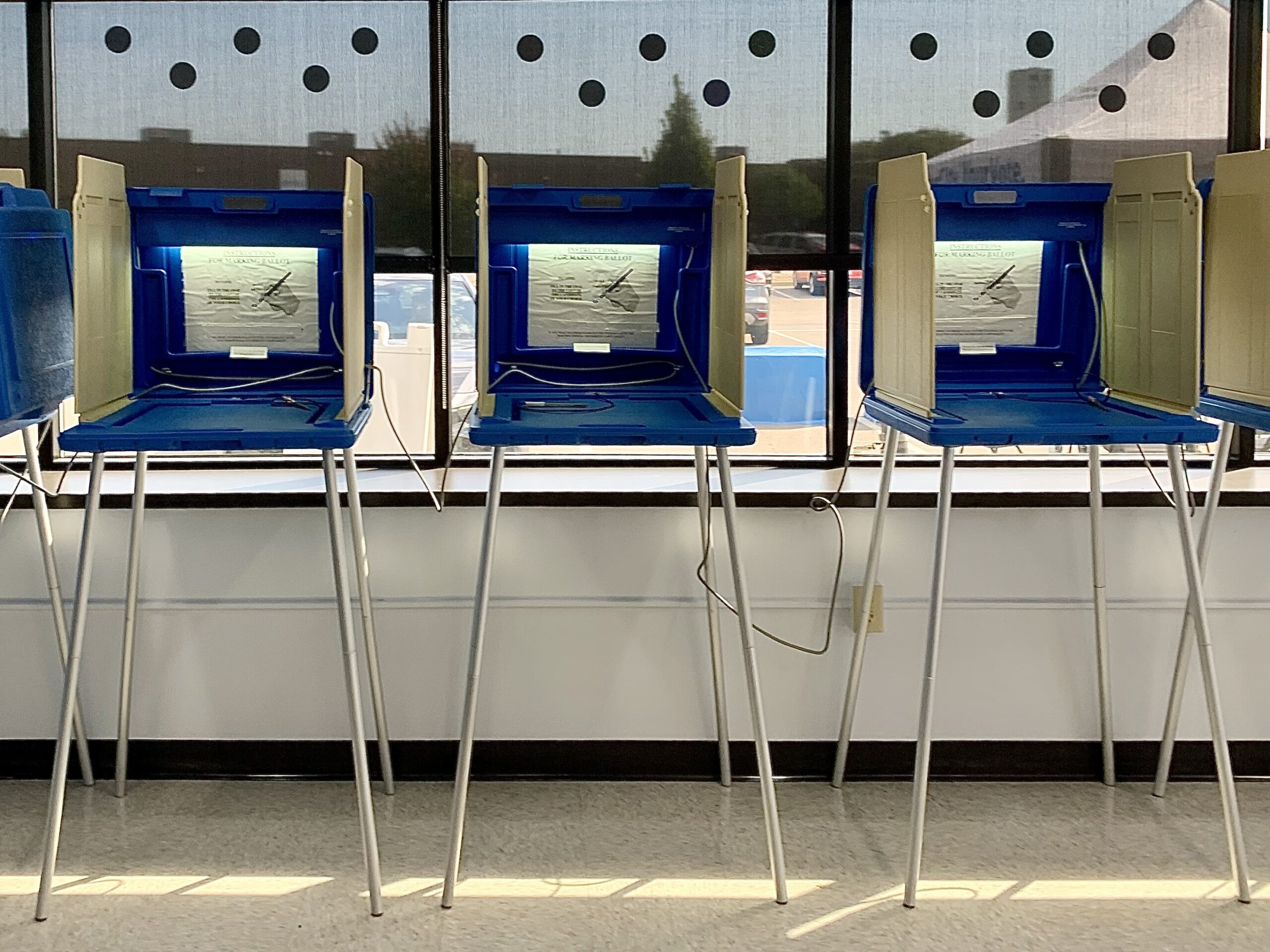
As we get closer to the elections, we take a look at the use of ranked choice voting in some areas of our state. Also, Minnesota exports see a substantial drop, and a Native All-American football game returns to U.S. Bank Stadium.
—–Executive Producer: Victor Palomino Producer: Xan Holston Anchor: Chantel SinGsReader scripting: Victor Palomino Fact checking: Joel Glaser, Victor Palomino Editorial support: Emily Krumberger Mixing & mastering: Chris Harwood
Transcript
[sound element: NSS intro theme]
HOST: You're listening to North Star Stories: Voices from Where We Live. Today in Minnesota…
ANCHOR: …Minnesota exports see a substantial drop. Then, as we get closer to the elections, we take a look at the use of ranked choice voting in some areas of our state. And a Native all-American football game returns to U.S. Bank Stadium.
I'm Chantel SinGs.
Minnesota exports fell 19% in April, May, and June, totaling $5.8 billion, according to the Department of Employment and Economic Development. Experts say the decline is driven mostly by reduced oil and fuel exports to Canada. While exports to Canada, Mexico, and China dropped sharply, shipments to Ireland, the U.K., Germany, and Switzerland increased, reflecting new trade missions and global outreach efforts. Sectors showing strength included pharmaceuticals, electrical equipment, and agricultural products like dairy and honey, which all posted gains despite the overall downturn.
Next, this November, voters in five metro area cities will once again use ranked choice voting to pick city leaders. For this week's elections special, Xan Holston explains how ranked choice voting works.
Xan Holston: For Jeanne Massey, Executive Director at ranked choice voting advocacy group FairVote Minnesota, the goal is making sure voters feel confident using it.
Jeanne Massey: We want them to go in, familiar, prepared and ready to rank.
Xan Holston: The process itself is simple, and election workers are there to walk voters through it.
Nat Sound: This is the ballot. It has two sides. This election uses ranked choice voting, so choose up to three candidates in order of your…
Xan Holston: Voters mark their first second and third choice candidates on their ballots. When votes are tallied, if no single candidate gets more than 50% of the first choice votes, the candidate with the least number of votes is eliminated, triggering an instant runoff vote.
Jeanne Massey: So if you voted for that candidate who was eliminated, your second choice counts in the next round of counting. And then we just go through that process of eliminating and reallocating those second choice votes until one candidate reaches that majority threshold.
Xan Holston: In some cases, even after second and third choices are tallied, no one gets over 50%, in that case, the candidate with the most votes overall wins. Massey said that's why voter education is so important.
Jeanne Massey: So people understand how the rankings come into play at each stage, helping people understand what their second choice votes really mean, and encouraging them to rank all the way down the ballot if they if they have a preference, all the way down the ballot.
Xan Holston: She said if you only want to rank one candidate, that's fine, but don't fill all three spots. If you don't genuinely support three candidates, ranking someone you dislike could end up helping them.
Jeanne Massey: And don't make it any more complicated than that. There's no strategy to it. Just rank your preferences.
Xan Holston: Minneapolis and St Paul first adopted ranked choice voting for municipal elections in 2009 and 2011. St Louis Park joined in 2019, followed by Bloomington and Minnetonka in 2021. Massey said one big reason cities made the switch was low turnout in primaries.
Jeanne Massey: Five percent, maybe 10% in a good year. That's a very high-cost election with very low, unrepresentative turnout.
Xan Holston: Ranked choice voting combines the primary and general elections into one.
Jeanne Massey: We do an instant runoff, instead of a two-round runoff in the single decisive election in November, when turnout is highest and most diverse.
Xan Holston: Massey said ranked choice also increases the diversity in the candidate field. Those who might struggle to make it through a primary get a chance to stay in the race longer and reach more voters.
Jeanne Massey: I can run, be a voice in that process all the way to November, give that choice to the voters and win or lose, I was able to help shape where the conversation for the future of our community goes.
Xan Holston: Voters can go to rankyourvote.org to see their races, check debate calendars, and even practice ranked choice voting on the most Minnesotan of questions: "What's the best State Fair food?" Voters can also go to the Minnesota Secretary of State site to view a test copy of their ballot that they can fill up beforehand and take to the polls to ease those election day jitters.
Jeanne Massey: It's very simple practice and bring it to the post with you.
Xan Holston: For North Star Stories, I'm Xan Holston.
Anchor: You are listening to North Star Stories.
Seventy of the nation's top Native American high school athletes will take the field at U.S. Bank Stadium this December for the 2025 Native All-American Football Game. The event, set for Sunday, December 14, is hosted by the Native American Athletic Foundation in partnership with the Minnesota Vikings and the NFL. The event aims to promote athletic excellence, college readiness, and leadership among Native youth. More details and applications are available at Native Athletes dot org.
[sound element: NSS outro theme]
HOST: North Star Stories is produced by AMPERS, diverse radio for Minnesota's communities, with support from the McKnight Foundation and the State of Minnesota. Online at ampers dot org.