
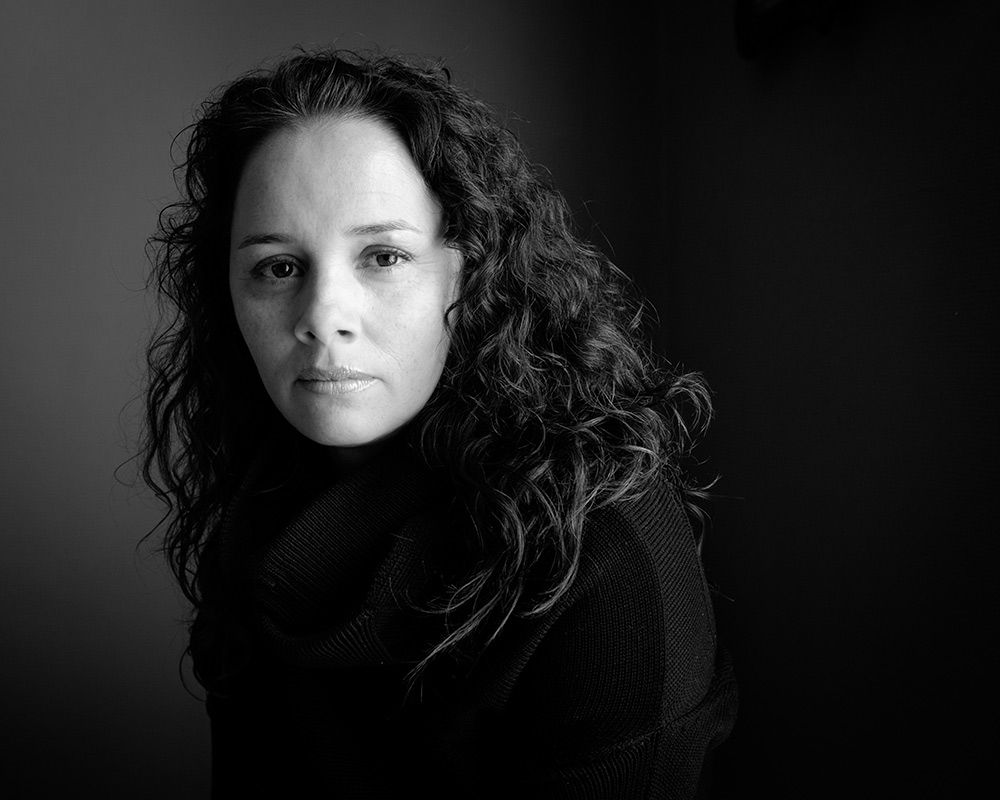
Mainstream institutions have struggled to accurately and ethically tell the story of what happened to the Dakota People in 1862. As Laurie Stern reports, Minnesota’s History Theater is working on that with a Lakota playwright and the Dakota community.
Transcript
Headlines:
Marie: This week on Minnesota Native News, a peek behind the curtain of a play that’s bound to change minds.
This is Minnesota Native News. I’m Marie Rock.
[Story #1 The Dakota Project]
Marie: Mainstream institutions have struggled to accurately and ethically tell the story of what happened to the Dakota People in 1862. As Laurie Stern reports, Minnesota’s History Theater is working on that now.
Laurie: The History Theater has a mission, and that is to tell the story of everyone who lives in Minnesota. But the theater has been stuck on what happened during the U.S. Dakota War of 1862. It’s a hard story to get right.
Larissa Fasthorse mitakuyapi. my name is Larissa Fasthorse. I'm from Sicangu Lakota nation. I am a playwright and I have been asked by history theater to create a play around the events of the Dakota people in Minnesota in 1862. Um, I've spent the past year talking to lots of Dakota people to ask them how they want that story to be told. And today's the first reading of my first version of trying to fulfill their wishes.
Larissa Fasthorse is not the first playwright to work on what the History Theater calls The Dakota Project. But she is doing something that makes it more likely her play will be produced. She asked Dakota community members whether the story should even be told, and she asked them how it should be told. That’s because she and the History Theater understand it’s not THEIR story to tell – it’s a story that belongs to the Dakota people who lived it. Now their descendants are helping to write the play. This summer Larissa Fasthorse and the History Theater asked indigenous actors to read what she has so far to an audience at the Minneapolis American Indian Center.
(play excerpt) What is it you enjoy so much about the white ceremony? The women sing together with the men all the time and it is so beautiful. You do not think our Dakota singing is beautiful? The missionary singing is in Dakota too – so beautiful like nothing I’ve ever heard before.
The play’s central characters are a Dakota mother and daughter who react differently to the turmoil around them. The play also features Taoyateduta (Little Crow) - the flawed Dakota leader who tries to negotiate with the government despite impossible odds. The script so far develops all its characters with empathy and humor. For instance, everyone has a laugh when the cast tries to pronounce the settlers’ names.
Mark. Just Mark, such sad little name. Here’s a good one, Lee, like they’re starting to say something but swallow it. HAHAHA.
After the reading, The History Theater and Larissa Fasthorse ask for feedback and suggestions. The audience responds, some with their own memories.
I remember conversations with my grandmother, her daughter, about some of the rites such as communion, the body and blood of Christ. It made her uncomfortable that Christians would eat their own savior like cannibals. You just see eat, spiritual worlds collide, that was very interesting to me.
This story really humanzed Dakota people and the struggle, broken treaties we all know about but America doesn’t really know, a beautifully portrayed story of the true history.
So people had to do what they had to do. That’s why we’re all here. Our ancestors did what they had to do so we would survive.
Larissa Fasthorse says she appreciates the feedback and looks forward to more. She and her team continue looking for descendants and gathering stories. She lives in Los Angeles now but will come back this winter for more workshops in Native communities in Minnesota.
MARIE:
If you have a story to share with the playwright, email artistic director Ron Peluso (Peh-LOOSE-oh) at rpeluso@Historytheatre.com. Theatre is with an r-e at the end. RPeluso at historytheatre dot com.