
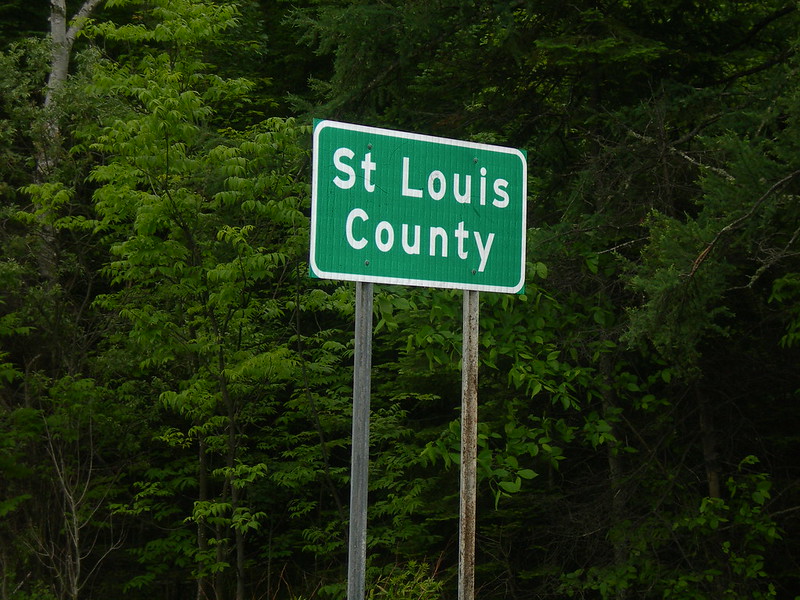
A state report released this summer found one third of all Minnesota counties are not complying with the federal and state laws aimed at keeping Native children with their families when there’s a serious problem in the home. Starting in fiscal year 2021 those counties will see a deep cut in their budgets because of the problem. St Louis county – which includes parts of the Fond du Lac and Bois Forte reservations, and the city of Duluth – is one of the counties out of compliance. Today on Minnesota Native News – We ask why St Louis County isn’t complying with federal and state laws to protect Native families in the child welfare system and whether the county will improve after a serious cut in resources? Reporter Melissa Townsend has the story.
Transcript
HEADLINE: Today on Minnesota Native News - We ask why St Louis County isn’t complying with federal and state laws to protect Native families in the child welfare system and whether the county will improve after a serious cut in resources? Reporter Melissa Townsend has the story.
HOST INTRO: A state report released this summer found one third of all Minnesota counties are not complying with the federal and state laws aimed at keeping Native children with their families when there’s a serious problem in the home.
Starting in fiscal year 2021 those counties will see a deep cut in their budgets because of the problem.
St Louis county - which includes parts of the Fond du Lac and Bois Forte reservations, and the city of Duluth - is one of the counties out of compliance.
REPORTER: Do you want to start by just introducing yourself?
MERSCH: Sure, Melissa, I’m Linnea Mersch. I’m the Director of Public Health and Human Services for St Louis County.
Mersch, who is non-Native, oversees the department that handles foster care and other out of home placements for children in St Louis County.
In 2018, 33-percent of children in foster care or out of home placement were Native even though Natives make up only 2-percent of the county’s population.
When dealing with Native families, county social workers must follow ICWA and MIFPA guidelines.
Those are the federal and state laws aimed at keeping Native Families together and getting them help they need when there is a serious problem in the home.
But a state report issued in July found that St Louis County was one of the counties substantially out of compliance for the two years the state has been collecting data.
The county is following some elements of the law - but not all of them.
MERSCH: The area that we needed the most improvement was around inquiry - so specifically the process and documentation requirements.
REPORTER:That is asking if a child has American Indian heritage.
MERSCH: Yup, and then documenting that inquiry.
Inquiry is where county social workers ask families if they belong to a federally recognized tribe.
This is crucial because if no one knows the family is Native, then no one will reach out to the tribe or follow any of the specific rules intended to keep Native kids with their families or at least in their tribal communities.
Why isn’t this happening? Mersch says it’s complicated.
First, there’s a lot of staff turn over with social workers.
MERSCH: It’s burn out, it’s the demand, it the increased documentation when people get into this work to be with kids and families. So we know that what it takes to train and onboard and have systems to support the documentation is even more complicated during a period of a lot of turn over. (:33)
Mersch is quick to point out the country social workers do work hard to understand the background and family ties of their Native families.
But she says getting all that information in a timely manner can be challenging.
MERSCH: So the reason our workers weren’t sending those MIFPA notices out early is they wanted a better sense of the full family to know all the places to send the notifications. And we were getting a lot of pressure in the courtroom that we hadn’t had a complete sense of the entire family and all the relationships and all the potential heritage. (:07)
Regardless of these issues, the state is now cutting the funding for St Louis county’s ICWA activities by more than half.
In 2020, the county received nearly 520-thousand in state ICWA aid but in 2021, it will receive only about 250-thousand dollars.
It’s a penalty for not complying with the law.
So how will Mersch deal with the cut?
MERSCH: I’m not cutting staff — I can’t cut staff. Our numbers haven’t changed, the demands haven’t changed, the paperwork hasn’t changed. I mean there is no way I can do that.
She says being financially penalized for non-compliance with ICWA doesn’t make sense to her.
MERSCH: It’s kind of nonsensical, especially when the entire purpose of the money is to support the practices that we need to provide and this just cuts support. (:10)
Many tribal leaders in this field say it’s better to keep a Native family out of the child protective services system.
Provide helpful services for a family and leave them together.
MERSCH: Um, I mean we certainly have to follow state law. That’s our job. We are a unit of government. We have that delegated responsibility from the state of Minnesota. (:25)
So for now, Mersch says she is making a plan to continue to improve the county’s work with Native children and families — with less than half the resources she had before.
And advocates for Native families will continue to push for more resources designed to heal Native families rather than separate parents from their children when there is a problem in the home.
For Minnesota Native News, I’m Melissa Townsend