
This week on Minnesota Native News we hear about what urban Native leaders in South Minneapolis are doing about public health problems connected to the great number of people who are homeless and using illicit opioids.
Transcript
HOST: In South Minneapolis, urban Native leaders are focused on public safety concerns tied to people who are homeless and using opioids on the streets. Reporter Melissa Townsend tells us more.
MELISSA: At a recent community meeting I met Abel [geb-reh-hee-wut].
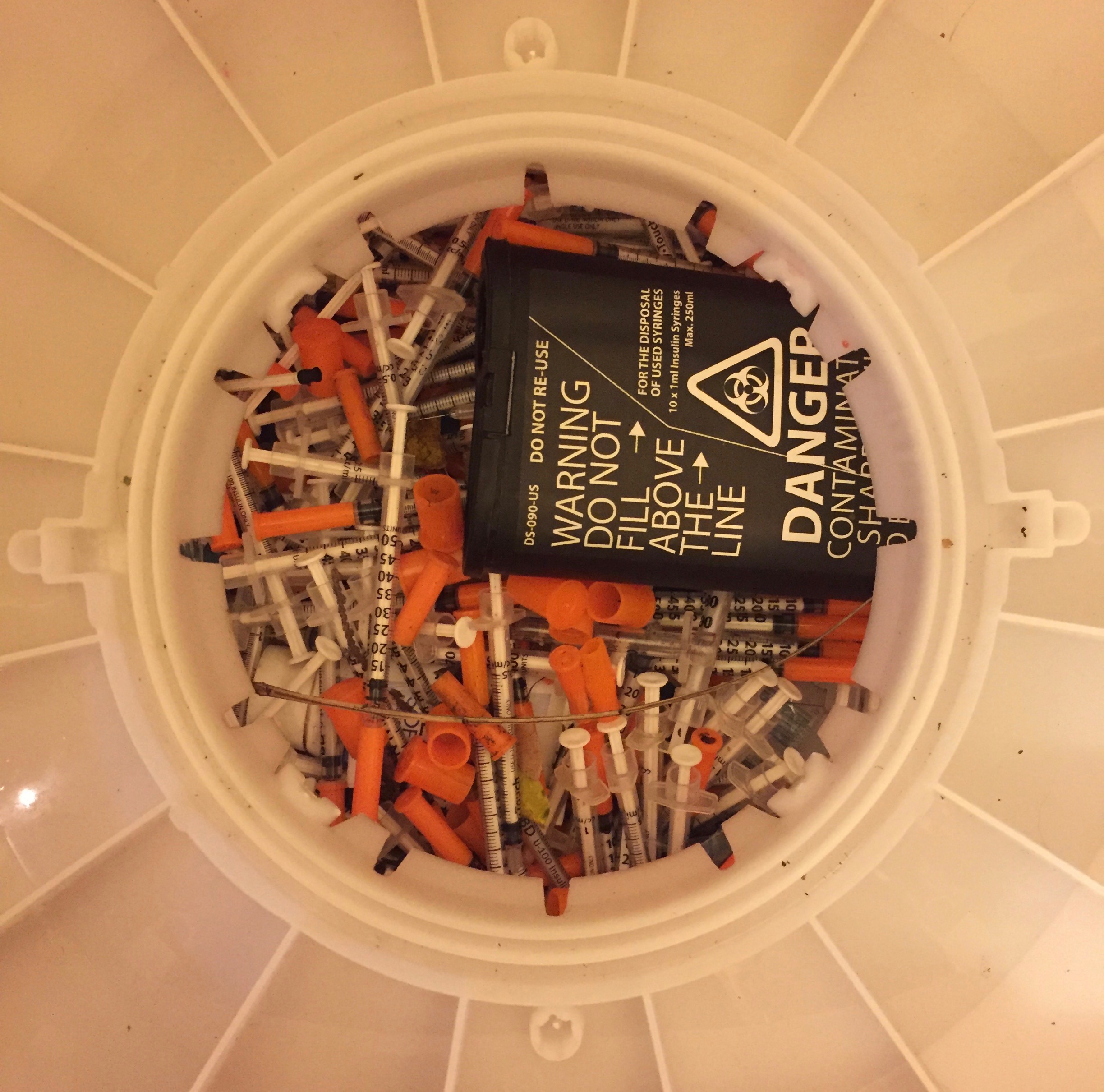
He works with the Indigenous People’s Task Force Needle Exchange. The program is on the ground in the Phillips neighborhood in South Minneapolis. They offer many services for intravenous drug users, including handing out clean syringes in exchange for used ones.
[ambi sound]
Abel and his co-worker Mo Mike also do sweeps around the neighborhood - most mornings and most evenings. Today, I’m along with Abel.
ABEL: This right here is the first place we’re going to stop. Minnesota Indian Women’s Resource Center - they have a park for their kids and often times what we noticed is that any place there is somewhere to sit , if you can’t be seen from the street, that’s where people will use. (:20)
He has a silver bucket and what I’ll call a grabber, like a metal pole with a mechanical hand on the end. He doesn’t want to touch the needles on the ground.
[clink]
?
ABLE: I kind of keep my eye open for the orange caps. And if we find an orange cap then a syringe is probably near by. And there goes another one eyeing me down right there [clang in the bucket]. (:17)
Hepatitus C and H-I-V can be transmitted from sharing a needle or from being stuck by a used needle.
So collecting stray needles help stop the spread of the disease and keep people safe.
ABEL: We don’t want the kids to climb over people or even have to watch every step for syringes and that’s really a big part of why we started doing the sweeps. (:10)
We walk down the block behind All Nation’s Church. There are a handful of needles on the ground, lots of orange caps. And someone is laying under several blankets in the corner. Abel whispers:
ABEL: [whispers] We’ll probably just go around him.
We’ll probably just go around him. He says normally he would check to make sure the person was alive and then he would ask him to move.
ABLE: In a situation like that it kind of breaks my heart because you don’t want to shoo them away to nowhere.
Abel doesn’t feel good about telling people to move — because he knows there’s no. where. for them. to go. There is some frustration that these problems persist after all the attention that was given to the tent city that was in this area last year.
But urban Native leaders are meeting intensely to figure out what they can do now. And they are engaging city, county and state officials on how they can contribute to the solution.
For Minnesota Native News, I’m Melissa Townsend.