
This week on Minnesota Native News we hear lingering concerns over Minnesota’s involvement in police actions around the DAPL protests last year, classes held on the unique nature of indigenous pottery in our state, and an ancient site may get a new name.
Transcript
STORY #1 - DAYTON ON ND (2:22)
HOST: According to medics at the Oceti Sakowin [oh-SHET-ee sac-OH-when] camp— more than 1000 water protectors were injured over the summer and fall of last year.
Those injuries resulted from violent clashes with law enforcement over the Dakota Access Pipeline near Standing Rock.
Some of those confrontations involved officers from Minnesota.
Governor Mark Dayton recently made it clear he wanted no part of that.
Reporter Melissa Townsend tells us more.
REPORTER: When the water protector camps were still overflowing with people, North Dakota Governor Dalrymple sent a letter to Minnesota Governor Mark Dayton.
He requested law enforcement to help QUOTE keep the peace - around the Dakota Access Pipeline construction site near the Standing Rock Sioux Reservation.
Governor Dayton says his administration acknowledged receiving the letter, but he declined to order any law enforcement to North Dakota.
DAYTON: I thought that was uncalled for, unwise, unnecessary. North Dakota has plenty of money that they can use to send their own law enforcement, their own national guard.
REPORTER: Dayton said he knew that North Dakota officials had successfully secured help from some county sheriff departments —
specifically - officers from Washington, Anoka and Hennepin counties.
In a letter dated March 2017 the Minnesota Sheriff’s Association criticized Governor Dayton’s response.
James Franklin, Executive Director of the Association said Dayton was making the situation political.
And he said Dayton was setting a bad precedent in that Minnesota may not receive the help it needs when the time comes.
Governor Dayton responded saying officials in North Dakota created a QUOTE - highly charged, very public confrontation…
DAYTON: It’s one thing to have a disaster and be overwhelmed by a natural disaster or some manmade disastrous event. It’s another thing if you created your own quagmire — as they say, clean up your own swamp. (:14)
REPORTER: Dayton noted he wouldn’t want any spill over from these confrontations in Minnesota as new pipeline proposals are currently making their way through regulatory agencies here.
For Minnesota Native News, I’m Melissa Townsend.
STORY #2 - INDIGENOUS POTTERY WORKSHOP (1:46)
HOST: 3-thousand years ago Native Minnesotans were harvesting clay from the ground here to make pottery for cooking and other uses.
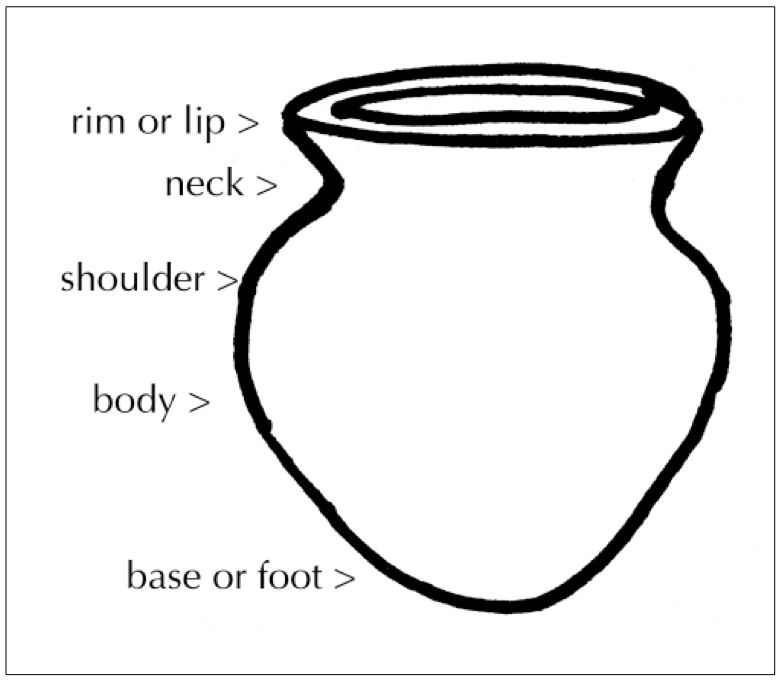
They formed vessels with round bottoms, stout necks, broad shoulders and a lip at the top for easy pouring.
They used a pit fire to turn the clay into stoneware.
Minnesota based artist Anne Meyer explained the process at a recent pottery gathering in Duluth.
MEYER: You’re digging a depression in the ground to hold the work to be fired with the fireable materials such as sticks.
HOST: She told the group of 25 gathered - It requires a lot of skill to get enough burnable material layered just right so that the pieces can reach temperatures of 1500 degrees but do it slow enough that the pottery doesn’t heat up too fast and explode.
MEYER: They developed very advanced techniques of crushing both shells and specific rock types into fine grit that they would incorporate into the wet clay. That material called temper … is designed to try to help with that thermal shock.
HOST: The 1854 Treaty Authority organized this recent event where Meyer spoke about indigenous pottery.
She says she will offer more opportunities to learn about the ancient art this spring.
She says she's passionate about this artistic expression that uses the clay that is under our feet because it deepens our connection with the land.
STORY #3 - JEFFERS PETROGLYPHS (1:00)
SOUND FROM VIDEO: Before texting, before email, even before our alphabet, and ancient Egyptian Hieroglyphics there are people here in MN who communicated by carving symbols into rocks. (:25)
HOST: The site of these rock carvings in southwest Minnesota is called Jeffers petroglyphs.
But the Minnesota Historical Society is exploring a name change to better reflect the indigenous history of the site.
It’s part of an effort under the Society’s newly formed department called Native American Initiatives.
Joseph Horse Capture heads the department.
HORSE CAPTURE: It’s really showing what I feel is commitment to incorporate Native American voice and perspectives into the historic sites, into the projects that we do here.
HOST: The Historical Society has held two community meetings so far about the name change.
Horse Capture anticipates receiving more input before any final decisions are made.