
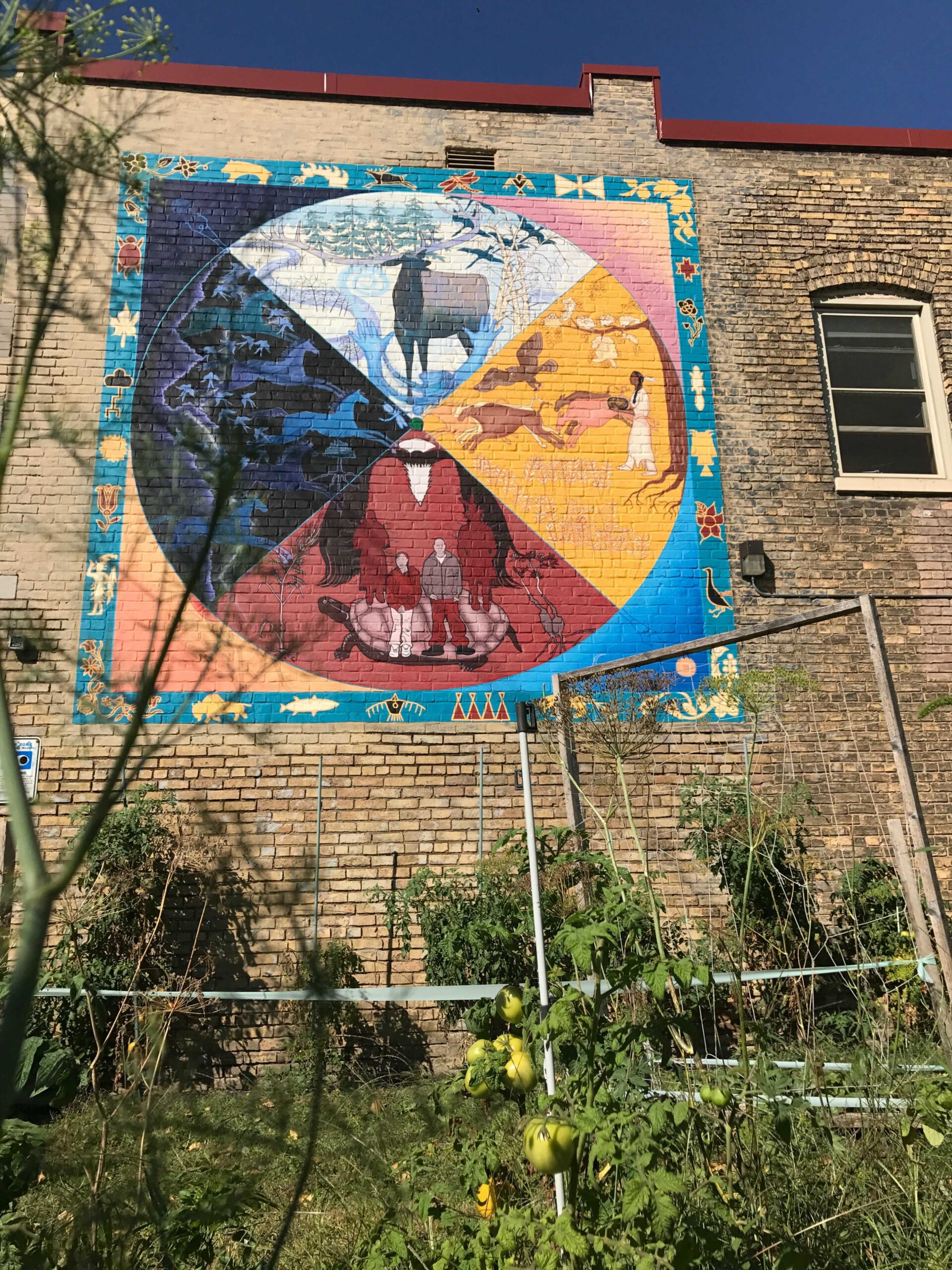
The Indigenous Food Network aims to introduce and increase traditional Native food in Minneapolis schools and youth programs.
Transcript
HOST: The Indigenous Food Network, or I-F-N, will host an Indigenous Food Tasting later this month, celebrating the harvest and ancestral foods.
Alongside this event, a pilot program is being implemented, aimed at increasing access and knowledge around healthy foods for Native youth. Here’s Leah Lemm with the story.
REPORTER INTRO: The Indigenous Food Network is a group of organizations, with a shared mission: to spread traditional Native foods throughout the Twin Cities community and surrounding areas.
Joy Persall is the Executive Co-Director of Dream of Wild Health the group organizing the I-F-N.
Persall: It’s about healing the community and decolonizing our relationship to food. (:05)
REPORTER NARRATING: The IFN connects food producers, chefs, organizations, and tribes, in order to create a coordinated effort to improve access to healthy and indigenous foods.
PERSALL: The IFN has been an idea of Dream of Wild Health for a long time, I would say for at least ten years. Last few years it’s become more structured and more intentional in its network. (:13)
REPORTER NARRATING: There is a distinct urgency to reach Native youth and help them access healthy food.
The US Department of Health and Human Services Office of Minority Health reports American Indian/Alaska Native adults are more than twice as likely as white adults to be diagnosed with diabetes.
The IFN wants to combat these statistics by reversing out the colonized diet… and instead reintroduce traditional food… both into the diet and into the consciousness of the community.
PERSALL: The idea of the colonized diet really comes from the fact that as Native people we were forcibly put on reservations and had many of our cultural elements stripped away, and forced to become overly dependent on the Americanized society’s food that was provided to us which was largely white flour and fat. To decolonize our diet is to understand our history and understand the impact food has had on us. (:32)
REPORTER NARRATING: Part of the puzzle of decolonizing the food system is teaching the youth about traditional and culturally appropriate food practices. The IFN pilot program with the Division of Indian Work ramps up this effort.
PERSALL: We want to provide those access not just to the food but also to the cultural and historical underpinning of those foods, with the skills and abilities to prepare those foods, with the knowledge of what healthy foods are, the knowledge of what their indigenous foods are, how to prepare them and how to introduce them back into their family. (:19)
REPORTER NARRATING: Louise Matson is the Executive Director of the Division of Indian Work.
MATSON: A lot of us are serving food to our clients. I serve meals, sometimes more than one every night of the week here to different groups, to youth groups, to pregnant women, to kids in foster care and I want to serve healthier food to them. And I want to serve food that’s their food, their traditional food. (:22)
REPORTER NARRATING: Matson explains the multi-pronged approach to the program.
MATSON: Part of the pilot here won’t just be cooking with the kids or for the kids, we’re going to bring in people to talk about some of the plants, if it’s around ricing, eating and do teaching around it. So there can be a whole indigenous curriculum piece of this too. (:17)
REPORTER NARRATING: Leaders believe this curriculum could be adapted for other tribal nations, around the country. Joe Rice is the Director at the Nawayee Center School in the Phillips neighborhood of Minneapolis.
The school grows its own garden and is helping the IFN develop a curriculum:
RICE: There’s the aspect of spiritual health, about eating food that you are traditionally connected to, that you have a long history of relationship with through your family through your nation.
And then there’s the empowerment piece. Knowing how to grow your own food and process it and turn it into healthy meals. (:22)
REPORTER NARRATING: Rice also connects reclaiming traditional foods to learning language.
RICE: It makes language lessons more real when you know the names of plants, but not only that, the stories behind the plants, the songs associated with the plants. (:08)
The Indigenous Food Tasting event is open to the public. It’s happening at the Minneapolis American Indian Center on October 28, from 1 to 4PM.
ENDING: For Minnesota Native News, I’m Leah Lemm.