
The Fond du Lac Band of Lake Superior Chippewa Natural Resources Division recently co-hosted a community event celebrating water and discussing the impact of climate change on the region.
Transcript
HOST: The Fond du Lac Band of Lake Superior Chippewa recently hosted over 160 people for a gathering to talk about the water.
The conversation focused on the impacts of climate change on water and all living beings who depend on it.
Reporter Melissa Townsend shares some of the sounds and voices from the evening.
REPORTER: In Ojibwe the gathering was called Nagaajiwanaang Nibi Maawanji’idim
[nug-OTCH-ee wahn-ONG] (people at the end of the water) [NIB-ee] (water) [muh-WHAN-jee -idim] (gathering) - the Fond du Lac water gathering.
Children, youth, adults and elders gathered to talk about science, personal values and Fond du Lac traditions related to water in the region.
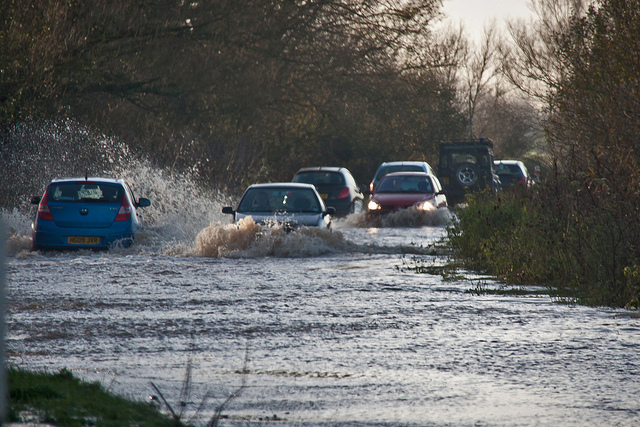
Over the past five years, the Band has seen dramatic impacts of climate change on traditional activities.
Nikki Crowe works at the Fond du Lac tribal college and she shared her story.
CROWE: There was a 2012 flood, there was no rice that year. I think the year before or after that we let the sugar bush rest - i didn’t have any syrup. And then due to policies and things lie that we didn’t do any netting or spearing on Mill Lacs. There was no fish. So that year there was no rice, no syrup and no fish to have.
REPORTER: Jeremy Wilson was also at the gathering. He shared his concerns about the winter season becoming shorter.
WILSON: That means there is less time with the snow on the ground and that’s the time that we tell [OJIBWE WORD MEANING STORIES]. If there every comes a time where there is no snow on the ground, then how are we ever going to find time to be able to tell these stories.
So much of who we are is … intertwined into these stories and there is so many lessons and teachings with that.
REPORTER: Deanna Erickson works at the Lake Superior National Estuarine Research Reserve. She also talked about winter — that’s when she takes young school students snowshoeing.
ERICKSON: The last couple of years…we haven’t gotten to take kids out snowshoeing and it’s really bummed me out because it’s such a fun experience for them. Like that’s kind of the thing with climate change - it’s sad. You think about how to adapt and adjust and it’s like OK, well, this wasn’t a good ricing year, this wasn’t a good skiing year, but we’ll adjust. But it’s the sad that gets me.
REPORTER: Three of the tribe’s scientists spoke about their work protecting natural resources and planning adaptation strategies for climate change.
Fond du Lac is one of only 50 tribes in the country that maintains its own water quality standards.
Shannon Kesner is the Band’s wetlands specialist.
Wetlands are particularly vulnerable to severe weather events that come with climate change.
KESNER: About 45 percent of Fond du Lac are wetlands, they provide medicinal plants, foods, and all kinds of things that we do need to protect.
REPORTER: Along with tribal scientists, a group of elders spoke about changes they have seen in their lifetimes due to climate change.
A group of six young women from Bad River offered the elders asaema - an offering of tobacco - and asked the elders what they should do…
Andrea DeBungie was their adult chaperone.
DEBUNGIE: What can you share with us as elders and what can you tell them as if they were your granddaughter? What should they take home with them tonight? (:10)
REPORTER: Elder and Fond du Lac band member Pat Rasch spoke up first.
PAT RASCH: What I would like to say is no matter where you are and especially if you are by yourself, look at the little things. Look at a leaf, look at an aunt, and they teach you something. You will know what it is.
REPORTER: And Skip Sandman, another Fond du Lac elder drew the connection between women who traditionally take care of the water and the water on mother earth.
SANDMAN: Water is a very powerful spirit. It’s alive. And try to do your best to respect that, along with yourself. Never put yourself in a box. Never limit yourself or be dictated to you what you can do and what you can do. You have the wings of a hawk on you. Sore like a hawk.
REPORTER: The event was co-hosted y the Fond du Lac Band’s Natural Resources Division.
For Minnesota Native News, I’m Melissa Townsend.