
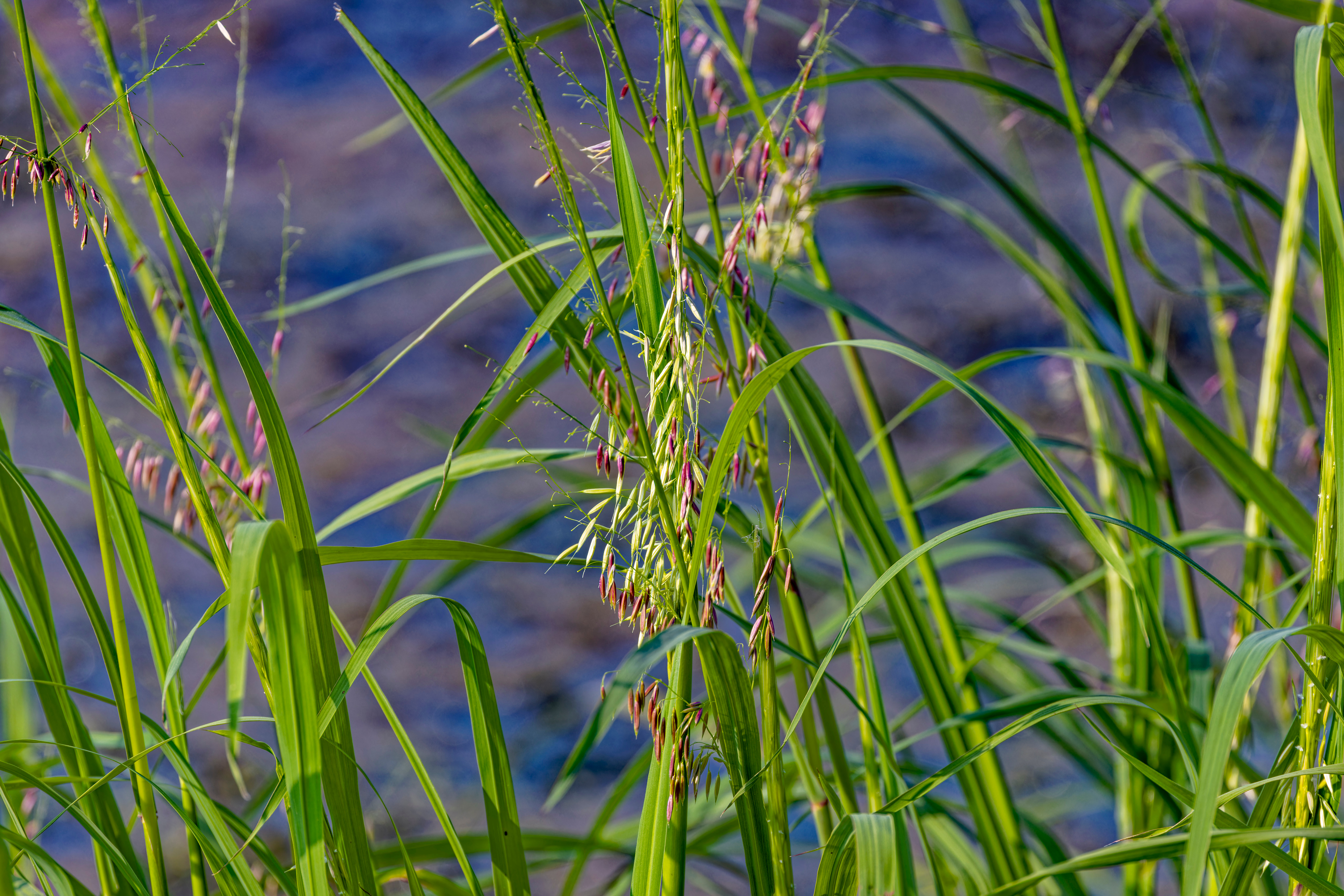
Northern communities are concerned about the standard of sulfates in wild rice. Then, the Governor celebrates the pheasant hunting opener, and a Duluth nonprofit wins a national innovation award.
—–Executive Producer: Victor Palomino Producer: Megan BuffingtonAnchor: Grace JacobsonReader scripting: Victor Palomino Fact checking: Joel Glaser, Victor Palomino Editorial support: Emily Krumberger Mixing & mastering: Chris Harwood
Transcript
[sound element: NSS intro theme]
HOST: You're listening to North Star Stories: Voices from Where We Live, a daily newscast about what it means to live in Minnesota.
ANCHOR: Today, the Governor celebrates the pheasant hunting opener. Then, a northern communities' concern over the wild rice sulfate standard, and a Duluth nonprofit wins a national innovation award.
I'm Gracie J.
Governor Tim Walz joined hunters in Ortonville and Big Stone County to celebrate Minnesota's 13th annual Governor's Pheasant Hunting Opener. The Governor's hunting party harvested two roosters during the morning outing earlier this month. Governor Walz thanked residents and volunteers for the conservation work happening in Big Stone County and across the state. Walz announced that next year's Governor's Pheasant Hunting Opener will be in Northfield. The pheasant hunting season runs through January 4th.
In today's main story, new permits for the U.S. Steel Keetac facility reignite debate over wild rice sulfate standard in the northern part of the state. Megan Buffington, a reporter for AMPERS member station KAXE has this report.
Katie Pratt: Welcome everyone. My name is Katie Pratt. I work with the Minnesota Office of Collaboration and Dispute Resolution, and I'll be serving as the moderator this evening.
Megan Buffington: Around 400 Rangers packed into the Iron Trail Motors Event Center in Virginia for a chance to address the Minnesota Pollution Control Agency. The agency is in the process of issuing new wastewater permits for US Steel's Keetac mine, but the inclusion of a decades' old, rarely enforced standard is stirring up a lot of emotions. Those who rely on mining for their livelihoods worry that the PCA efforts to finally enforce the limit will devastate the Iron Range. Environmental and indigenous advocates say enforcement is long overdue to protect sacred manoomin and keep Minnesota's water clean. Leanna Goose is a leader of the rise and repair Alliance and a Leech Lake Band member.
Leanna Goose: By upholding Minnesota sulfate standard, we hold companies accountable for their pollution and protect the food that has nourished people here for generations.
Megan Buffington: Minnesota's wild rice sulfate standard was adopted by the PCA in 1973. The protective measure recognized the plant's environmental, economic and cultural importance. Wild Rice, manoomin in Ojibwe, is an important food source for waterfowl, and the plant is central to Ojibwe identity and way of life, past, present and future. Derek Pederson is the business manager for Laborers Local 1091.
Derek Pederson: I strongly urge you to update the wild rice sulfate standard with all the research science and site specific variables. The current 10 is unrealistic level, and wild rice has been proven to be successful at up to 1600 milligrams.
Megan Buffington: The site-specific standard was proposed by the PCA. In 2017, the agency came up with the rule after the legislature told them to overhaul the existing standard. But in 2018, an administrative law judge rejected the rule change, writing, "The PCA failed to prove that the new standard would be 'equally or more protective of wild rice waters.'" Hay Lake is small and remote. It's the first wild rice water downstream of Keetac. US Steel has been discharging into the water for decades and says there's still healthy wild rice growing there. But environmental groups recently visited and say the rice looks sick. Mike Maleska is a former United steel worker unit president and is now part of the nonprofit Water Legacy. What was the rice like here when you were young?
Mike Maleska: It went from just to the right to the inlet over there, about where that tree line drops off. It came all the way, that dense, all the way around the lake. This really hurts. This really hurts here.
Megan Buffington: There's a lot more to the sulfate story. Read more about the complex saga and recent updates at KAXE.org. That's it for this special edition of the Up North Report from the KAXE News Desk, I'm Megan Buffington, telling the stories of Northern Minnesota through local news.
Anchor: You are listening to North Star Stories.
Rural Pathways, based in Duluth, has been named the Platinum Award Winner in the 2025 Wings of Innovation Child Care Resource and Referral Agency Awards. Rural Pathways received the award for its Enhanced Two-Tier Provider Partnership Model. The model helps address rural childcare shortages by bringing together employer tax credits and community funding. The unique program gives more families access to quality childcare. Rural Pathways co-founder said the recognition highlights how rural providers can transform access to high-quality, sustainable care when given the right tools and partnerships.
[sound element: NSS outro theme]
HOST: North Star Stories is produced by AMPERS, diverse radio for Minnesota's communities, with support from the McKnight Foundation and the State of Minnesota. Online at ampers dot org.