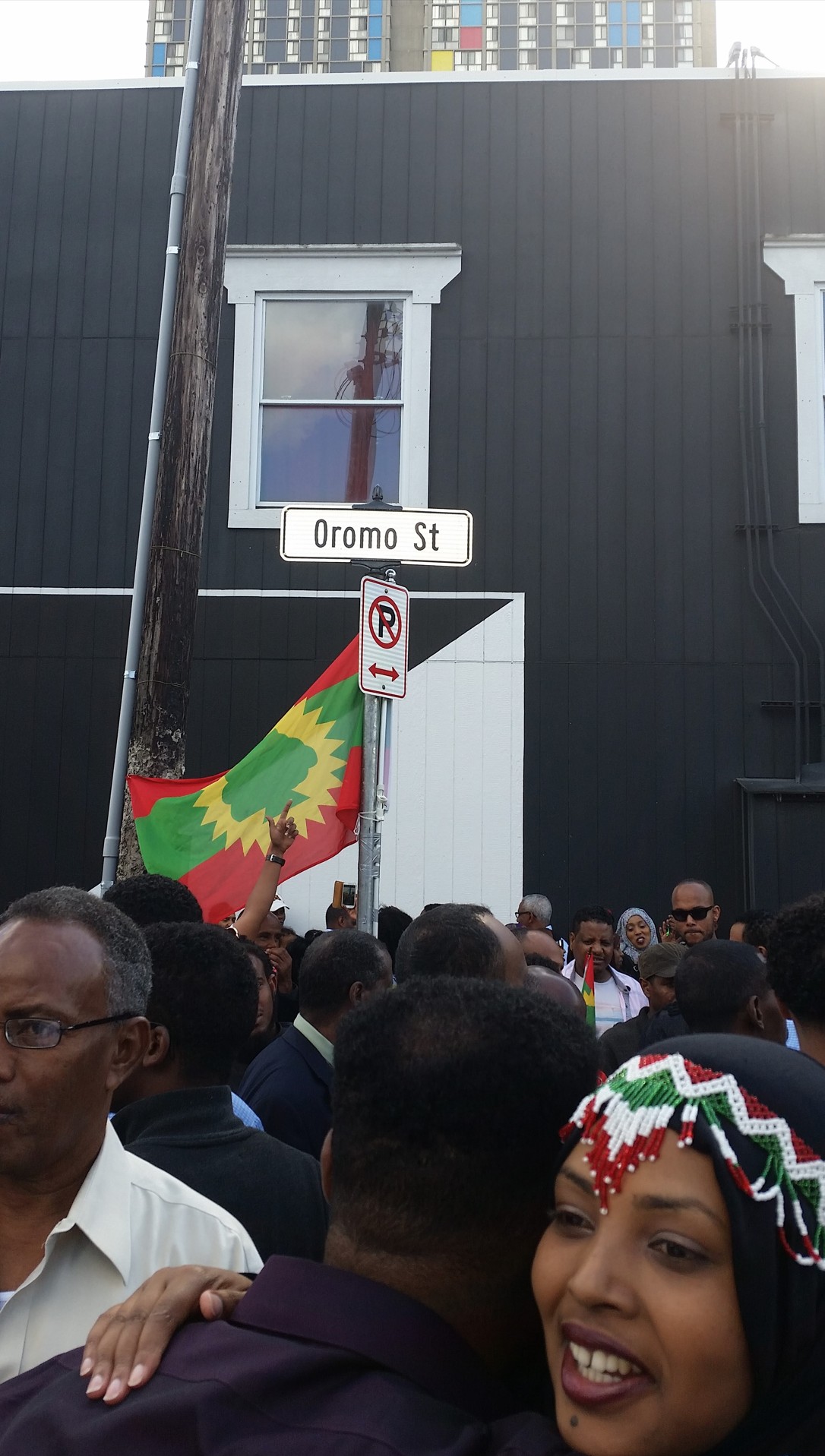
Oromos began immigrating to Minnesota in large numbers during the 1970s and 1980s, fleeing government violence in Ethiopia.
—–
Editor: Britt Aamodt
Producer: Faaya Adem
Editorial support: Emily Krumberger
Mixing & mastering: Chris Harwood

AMPERS
Minnesota's Community Radio Stations
Oromos began immigrating to Minnesota in large numbers during the 1970s and 1980s, fleeing government violence in Ethiopia.
—–
Editor: Britt Aamodt
Producer: Faaya Adem
Editorial support: Emily Krumberger
Mixing & mastering: Chris Harwood
When you hear the beat of Oromo music in the Twin Cities, you’re hearing the heartbeat of a community with roots in East Africa—and Minnesota. Though Ethiopia’s largest ethnic group, the Oromo people still found themselves marginalized and their culture and language suppressed. The violence and political upheaval of the 1970s and ’80s forced many into refugee camps. From there, some would find an unexpected home in Minnesota. Early Oromo arrivals had connections with Christian missions. In 1981, Oromo immigrants founded the Oromo Relief Association of North America, connecting refugee camps directly with Twin Cities sponsors. The organization worked alongside refugee resettlement agencies. So many Oromos now live in the Twin Cities that it has earned the name Little Oromia. From Oromo Street to Tawfiq Islamic Center, Oromo Minnesotans have found a place to call home.