
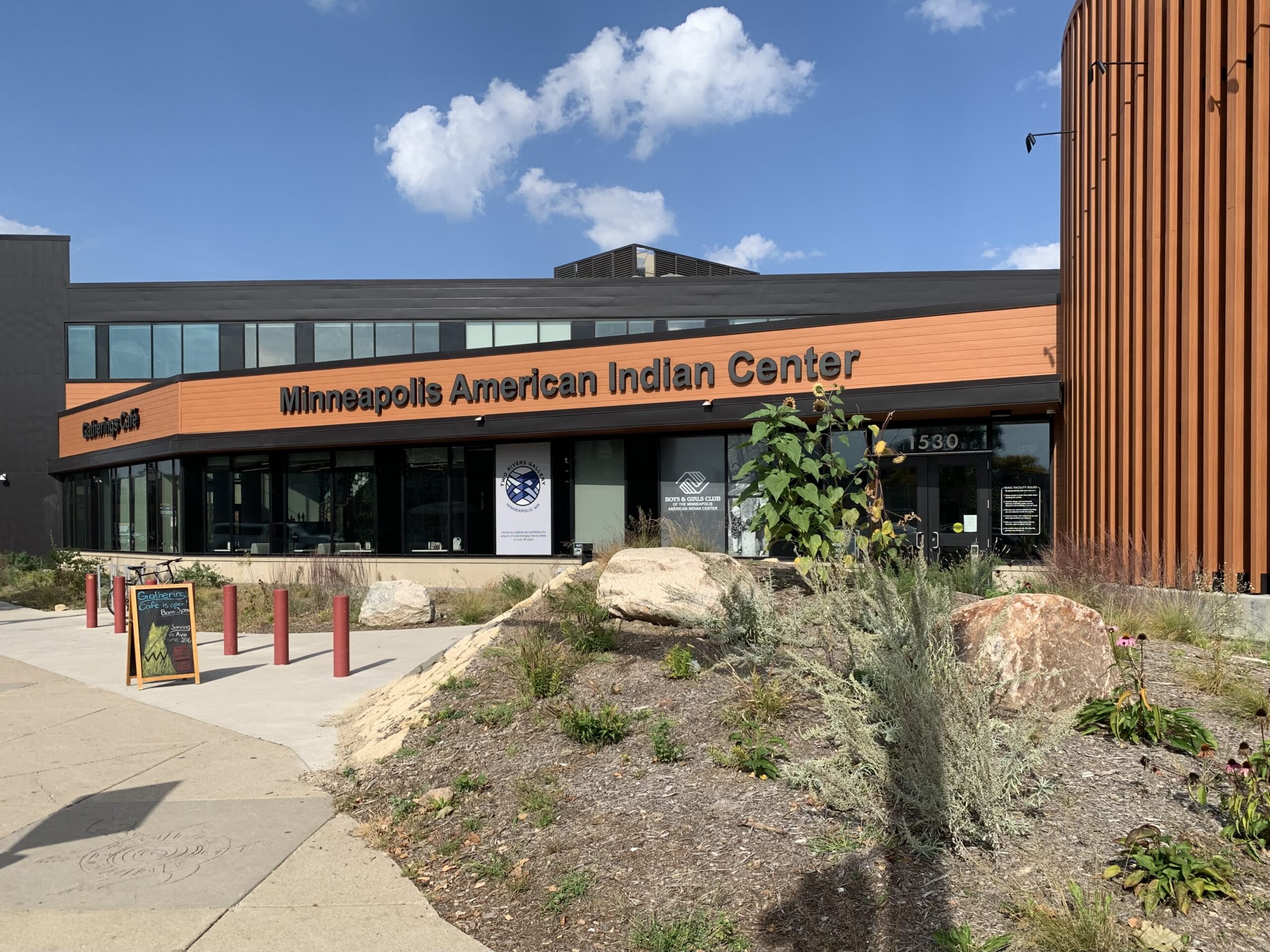
The second Monday of October, Minnesota will honor Indigenous people, their histories, and cultures. Then, the state commutes the sentence of a Mille Lacs Band member. And, are you registered to vote? We have some useful tips.
—–Executive Producer: Victor Palomino Producer: Xan HolstonAnchor: Grace Jacobson Reader scripting: Victor Palomino Fact checking: Joel Glaser, Victor Palomino Editorial support: Emily Krumberger Mixing & mastering: Chris Harwood
Transcript
[sound element: NSS intro theme]
HOST: You're listening to North Star Stories: Voices from Where We Live, a daily newscast about what it means to live in Minnesota.
ANCHOR: The second Monday of October, Minnesota will honor Indigenous people, their histories, and cultures. Then, the state commutes the sentence of a Mille Lacs Band member. And, are you registered to vote? We have some useful tips.
I'm Gracie J.
The Minnesota Board of Pardons has commuted the sentence of Brian Pippitt, who spent more than 20 years in prison following a 2001 first-degree murder conviction. Pippitt was one of five Native American men charged with the murder of an 84-year-old shopkeeper in 1998 in Aitkin County, about an hour West of Duluth. The decision follows a 2024 recommendation from the Attorney General's Conviction Review Unit, which found overwhelming evidence of reasonable doubt in Pippitt's case. The Attorney General praised the Conviction Review Unit's work and said the decision reflects Minnesota's commitment to correcting wrongful convictions.
In today's main story, in Minnesota, the second Monday of October is officially recognized as Indigenous Peoples' Day. Xan Holston tells us more about this important holiday.
Xan Holston: Monday, October 13 marks the third year that Minnesota celebrates Indigenous Peoples' Day. In 2023, the state legislature replaced Columbus Day with a holiday dedicated to recognizing and uplifting Native nations for State Senator Mary Kunesh, who represents part of the North Metro Area, the point isn't to dwell only on the harms of colonization.
Senator Mary Kunesh: Rather than looking at it in that way, we would like to recognize the Indigenous people here in our state and in our nation.
Xan Holston: Kunesh says the day isn't only symbolic. It's a chance for schools and cities to build stronger relationships with Native communities and to educate Minnesotans about history that has often been overlooked.
Senator Mary Kunesh: The Department of Education has provided a lot of resources to teachers.
Xan Holston: Under the legislation, schools in Minnesota must dedicate a minimum of one hour to education on Indigenous history, culture and issues, a requirement that aligns today with other state holidays like Veterans Day and Martin Luther King Jr, Day. Before Minnesota recognized Indigenous Peoples' Day, cities in the state had already begun leading the way. In 2014 the Minneapolis City Council started honoring the day alongside Columbus Day. And in Mankato, Indigenous activists and residents organized petitions and events to bring the observance to the community in 2018.
Diane Dobitz: Of all the places in Minnesota, Mankato should have Indigenous Peoples' Day because of the awful reality of what happened in 1862 here.
Xan Holston: Diane Dobitz is a Unitarian Universalist Church leader and a member of Mankato's Indigenous Peoples' Day committee. She's referring to the hanging of 38 Dakota men at the end of the US Dakota War. For Dobitz, working to get the day recognized was always about the healing power of the truth.
Diane Dobitz: I think if we want to heal our trauma as human beings, so that our children and our grandchildren can live with less violence and more acceptance and compassion, this is necessary work.
Xan Holston: Senator Kunesh also believes that those connections are crucial, and that the more cities embrace the day, the greater the outcomes in communities can be.
Senator Mary Kunesh: Local municipalities, those sort of things, are using it as a way to build good partnership with their local Native community or tribe as well.
Xan Holston: Celebrations take place across the state. In Mankato, events run from October 10th through the 13th with a film night, a community celebration, a book reading and discussions. Duluth hosts its annual celebration at City Hall. And at Bde Maka Ska in Minneapolis, a sunrise service will welcome hundreds.
Senator Mary Kunesh: Indigenous leaders and elders. And every year it grows larger and larger, and it's a lot of non-Native people that come to it to support and show their interests in recognizing that day.
Xan Holston: For North Stories, I'm Xan Holston.
ANCHOR: You are listening to North Star Stories.
National Voter Registration Day has passed, but you can check your registration and get ready to vote anytime. Minnesota residents can confirm their status, register, or update information online. To be eligible to vote in Minnesota, you must be a U.S. citizen at least 18 years old on Election Day (but 16- and 17-year-olds can preregister), and you need to have lived in Minnesota for at least 20 days. Use the Secretary of State's "Register to Vote" page or the National Association of Secretaries of State "Can I Vote?" tool.
[sound element: NSS outro theme]
HOST: North Star Stories is produced by AMPERS, diverse radio for Minnesota's communities, with support from the McKnight Foundation and the State of Minnesota. Online at ampers dot org.