
In today’s stories, a northern college sees a future in electronic sports. How organizations are accommodating to keep pride in the state. And a tribal council’s new leadership carries the heritage tradition.
Transcript
[sound element: NSS intro theme]
HOST: You're listening to North Star Stories: Voices from Where We Live, a daily newscast about what it means to live in Minnesota.
ANCHOR: In today's stories, a northern college sees a future in electronic sports. How organizations are accommodating to keep pride in the state. And a tribal council's new leadership carries the heritage tradition. I'm Chantel SinGs.
Bemidji State University and Northwest Technical College are launching their first e-sports program. E-sports is competitive video gaming. Project leaders say it's about more than gaming and that e-sports builds teamwork, critical thinking, and career-ready skills. School officials say the program will start as a club-level sport in 2026, with hopes of eventually becoming a varsity-level sport. The initiative is backed by Paul Bunyan Communications, which will support a new e-sports lounge on campus. The partnership reflects growing interest in e-sports and tech-driven education across northern Minnesota.
Coming Up, Reporter Mik Finnegan talks to Pride festival organizers around the state about their efforts to keep festivals running amid funding cuts.
Mik Finnegan
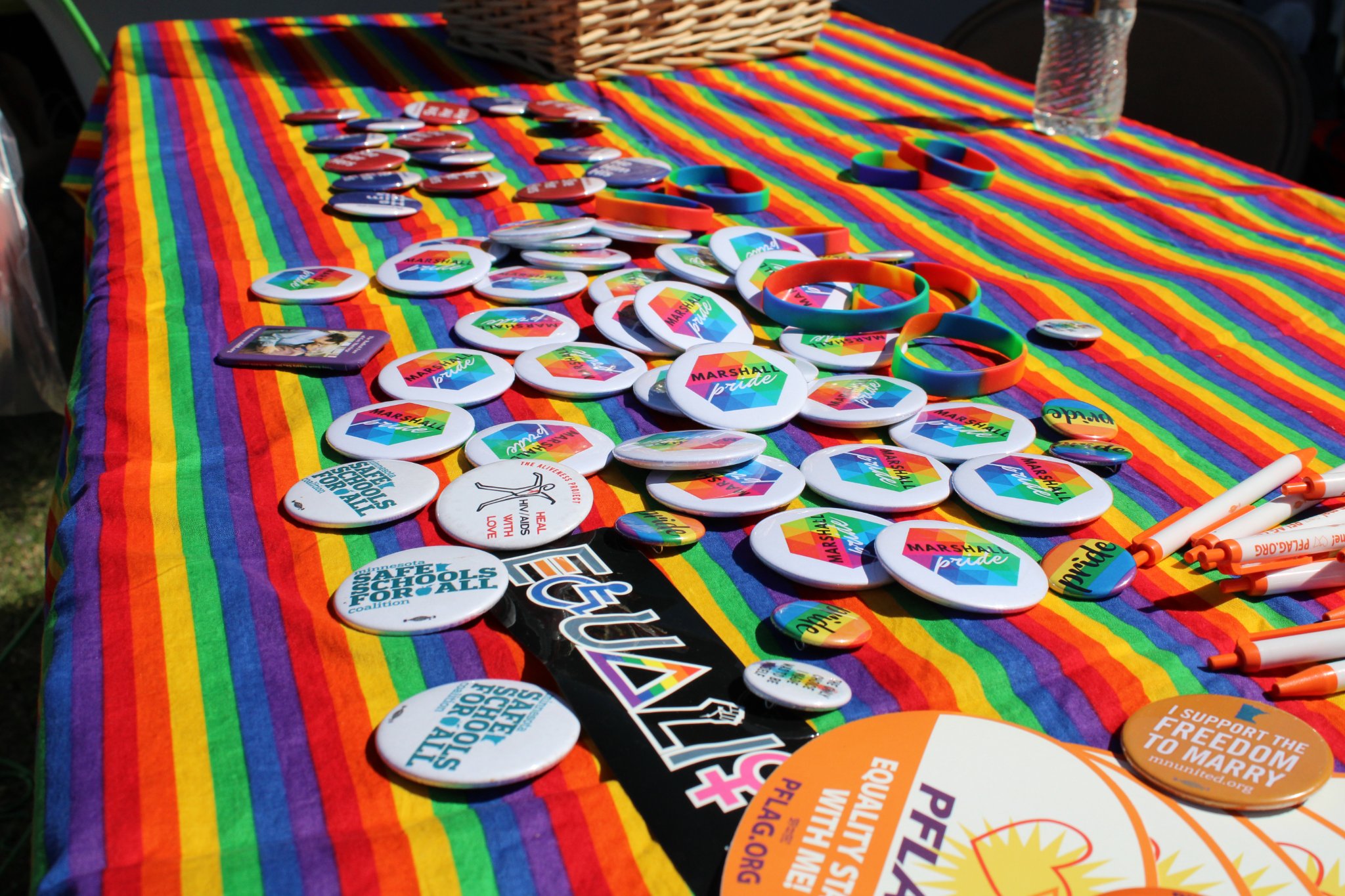
Pride festivals around the state of Minnesota are preparing a little bit differently this year, from rural areas to the Twin Cities, the biggest concern is safety. Marshall Pride in southwest Minnesota served around 1000 community members last year. Their treasurer, Julie Walker, said they built the budget after November's election.
Julie Walker
So we knew what we were facing. We increased our budget level by 10% this year to incorporate additional security concerns, so we're seeing a massive increase in the costs of what we're doing here.
Mik Finnegan
Increased safety protocols call for an increased budget, but festivals nationwide are facing funding deficits this year. Many nonprofits, including Pride festivals, are seeing the negative effects on their funding due to the White House's efforts to end Diversity Equity and Inclusion measures.
Julie Walker
When permission is given from the highest office in the United States, particularly in relation to DEI issues, people feel emboldened to say hateful things louder than they would before.
Andi Otto
People don't realize that we're almost $300,000 into safety protocol around the park, like it's substantial. It's reaching out to our resources like security and mom hugs and all those organizations to just kind of help be that barrier. I mean, it is a fine balance this year,
Mik Finnegan
Twin Cities Pride Executive Director Andi Otto discussed their robust safety plan. Due to the scale of the festival, they are taking extra precautions this year. Andi has been a vocal advocate against DEI rollbacks and the impact it has on the queer community. Twin Cities Pride dropped Target from the festival sponsors after the corporation decided to end key DEI efforts.
Andi Otto
I've been around Pride for 18 years, and Target has been around for as long as I can remember, and we've worked through some things, but this one, this one felt different.
Mik Finnegan
Target is involved in many festivals around the state. Aaron Bombard from East Central Minnesota Pride in Pine City, tells me their Pride is not primarily funded by corporate sponsors, but some do have a presence at the festival.
Aaron Bombard
We've had to really navigate how we're going to align with them. Small local businesses to large corporations are pledging or pulling their support.
Mik Finnegan
Andi Otto from Twin Cities Pride is just as concerned about the smaller festivals.
Andi Otto
You know, we see a $200,000 gap, and people think, well, you know, that's a lot of money sometimes for a small festival. It's 1000 and they're struggling to find those.
Mik Finnegan
For some small festivals like East Central Minnesota Pride, organizer Natalie Goldman says it's too early to tell the full impact of these changes, as they are still in the early rounds of corporate sponsorship outreach. However, many organizers have been heart warmed by the outpouring of support they have gotten from local businesses and community members.
Natalie Goldman
I think the community is showing up stronger because, you know, Target can pull their DEI's and the conservatives can have all of their executive orders, but we're not stopping. We're not going anywhere.
Mik Finnegan
This is Mik Finnegan for North Star Stories.
Anchor
You are listening to North Star Stories.
The Red Lake Nation Tribal Council has appointed a new hereditary chief. Mike Loud assumed the position, which has been open since Loud's brother, Chief Jim Loud, died in August last year. Chief Mike Loud spent nearly 40 years in Minneapolis serving as a community leader and activist. The Loud family members are descendants of Chief Crooked Arm, one of seven chiefs who negotiated the 1899 agreement with the United States that created the borders of the Red Lake Reservation. Hereditary Chiefs serve as advisors and non-voting members of the Tribal Council, unlike the elected Chief.
[sound element: NSS outro theme]
HOST: North Star Stories is produced by AMPERS, diverse radio for Minnesota's communities, with support from the McKnight Foundation and the State of Minnesota. Online at ampers dot org