
In today’s broadcast, renters in Duluth demand faster repairs. Then, how cultural traditions are helping to mitigate wildfires. And, Minnesota High schools are sending some students to the head of the class.
Transcript
[sound element: NSS intro theme]
HOST: You're listening to North Star Stories: Voices from Where We Live, a daily newscast about what it means to live in Minnesota.
ANCHOR: In today's broadcast, renters in Duluth demand faster repairs. Then, how cultural traditions are helping to mitigate wildfires. And, Minnesota High schools are sending some students to the head of the class.
I'm Gracie J.
Renters in Duluth want to be able to make repairs themselves if landlords don't act quickly enough. Members of Duluth's Tenant Union submitted a petition in support of the Right to Repair ordinance to Duluth City Hall. The proposed ordinance would let tenants pay for repairs and deduct the cost from rent if landlords delay action. The group secured about 6-thousand signatures supporting the ordinance. Organizers say the measure would help renters address unsafe or unhealthy living conditions more quickly. Supporters hope to get the proposal on the November ballot so voters can decide.
Ahead, as fire suppression increases wildfire severity, two Minnesota Prescribed Fire Council members weigh in with insight on wildfire's place in Northwoods culture and ecology. Reporter Maija Hecht has the story.
Bazile Minogiizhigabo Panek: I remember as a young kid coming home off the bus, walking down our long driveway and eventually reaching the front yard, and then the front yard is on fire.
Maija Hecht: Bazile Minogiizhigabo Panek is an Egle Clan member of the Red Cliff Band of Lake Superior Chippewa.
Bazile Minogiizhigabo Panek: It's just my dad doing this. This burning that's cleaning the forest floor. It's fostering a good forest for our sacred relatives and our beings. I understand that what he was doing is helping to protect those forests and also protect ourselves from an intense wildfire.
Maija Hecht: At the time of this interview, both the Camp House Fire and Jenkins Creek Fire were burning rapidly in Northeastern Minnesota on the opposite shore of Lake Superior from Bazile's childhood memory.
Bazile Minogiizhigabo Panek: To me, these ongoing fires is displaying the effects of climate change and the increases in heat and drought events that are happening in the state and the Northwoods overall.
Lane Johnson: Right now, fire is very much perceived as like a public nuisance or some sort of dangerous thing that needs to be heavily regulated.
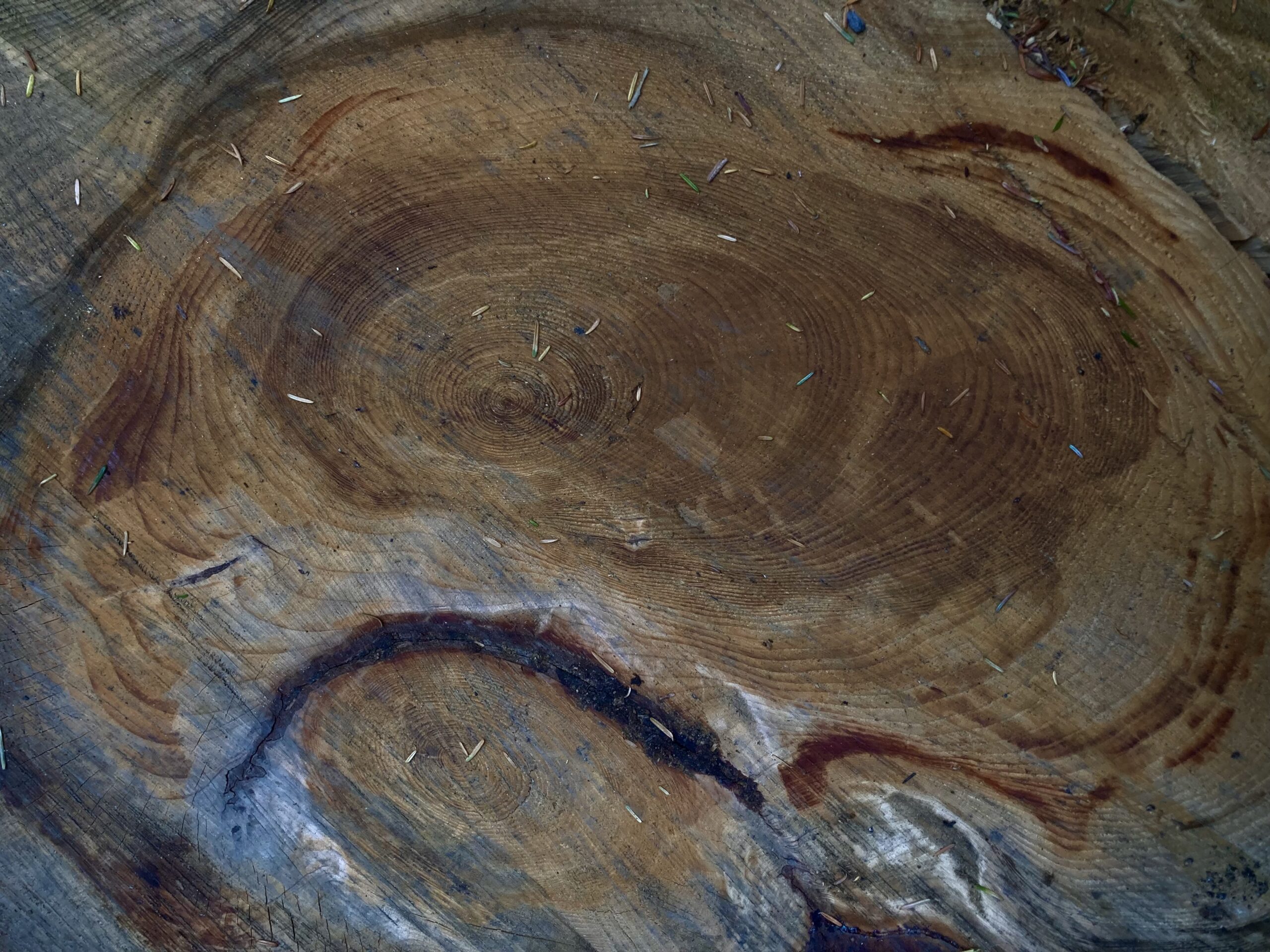
Maija Hecht: Lane Johnson is a dendrochronologist at the Cloquet Forestry Center. He studies tree ring records to understand fire history in Upper Great Lakes forests.
Lane Johnson: In Minnesota and other parts of the Upper Great Lakes, red pine trees can capture this evidence of frequent fire as far back as the tree record will take us. Here at the Cloquet Forestry Center where I work, we have samples that show evidence of fire roughly every 10 to 15 years.
Maija Hecht: And then around 1900, the tree rings show the fire scar record stop. So what changed?
Lane Johnson: In 1910, the priorities for how the land is being cared for change with an emphasis on timber production.
Maija Hecht: Amidst fear that fire suppression has led to more destructive wildfire seasons over time, Lane and Bazile are part of a council positioned to tactfully return fire to the northern landscape.
Bazile Minogiizhigabo Panek: Sometimes we're basically fighting fire with fire.
Maija Hecht: Bazile recalled one Minnesota prescribed fire council meeting in particular between tribal members and federal representatives who were--
Bazile Minogiizhigabo Panek: Looking at this huge map sitting on the table, like, what about this area? We need to do a fire history research in this area and that area.
Maija Hecht: And then a tribal member who had been quiet spoke up.
Bazile Minogiizhigabo Panek: He pointed to a specific spot on the map. He said, "My grandma told me that she used to burn here." Everybody kind of goes silent, and it's like, Oh, his traditional ecological knowledge can inform where, when and how we're burning.
Maija Hecht: This is Maya Hecht for North Star Stories.
ANCHOR: You are listening to North Star Stories.
Seniors at more than 400 Minnesota high schools could get college acceptance letters this fall – before even applying. The Minnesota Office of Higher Education's direct admissions program allows 50 colleges and universities across the state to proactively admit students at participating schools based on their academic record. Students who receive offers still have to apply if they'd like to attend. But, they're guaranteed acceptance and their application fees are waived. A total of 425 high schools will be participating in the 2025-2026 school year. That's 60 more than the year before.
[sound element: NSS outro theme]
HOST: North Star Stories is produced by AMPERS, diverse radio for Minnesota's communities, with support from the McKnight Foundation and the State of Minnesota. Online at ampers dot org.