
A northwestern sheriff is in trouble over an illegal Elk tag. Then, federal actions spark questions about Minneapolis’ policies around police involvement in immigration procedures. And, new help for Minnesota farmers.
—–Executive Producer: Victor Palomino Producer: Xan Holston Anchor: Grace JacobsonReader scripting: Victor Palomino, Joel GlaserFact checking: Joel Glaser, Victor Palomino Editorial support: Emily Krumberger Mixing & mastering: Chris Harwood
Transcript
[sound element: NSS intro theme]
HOST: You're listening to North Star Stories: Voices from Where We Live, a daily newscast about what it means to live in Minnesota.
ANCHOR: Today, a northwestern sheriff is in trouble over an Illegal Elk tag. Then, Federal actions create questions about Minneapolis' policies. And, new help for Minnesota farmers.
I'm Gracie J.
The Minnesota Department of Natural Resources has filed a lawsuit against the Kittson County Sheriff. The DNR alleges that the sheriff in the northwest corner of the state illegally issued a possession tag to a farmer who shot an elk eating crops last winter. According to the lawsuit, the sheriff created the document after the farmer killed the elk and assured him he wouldn't face charges. The DNR is the only agency authorized to grant such permits. The Bureau of Criminal Apprehension has investigated and forwarded its findings to the Kittson County Attorney's Office, which will determine if the sheriff will face criminal charges.
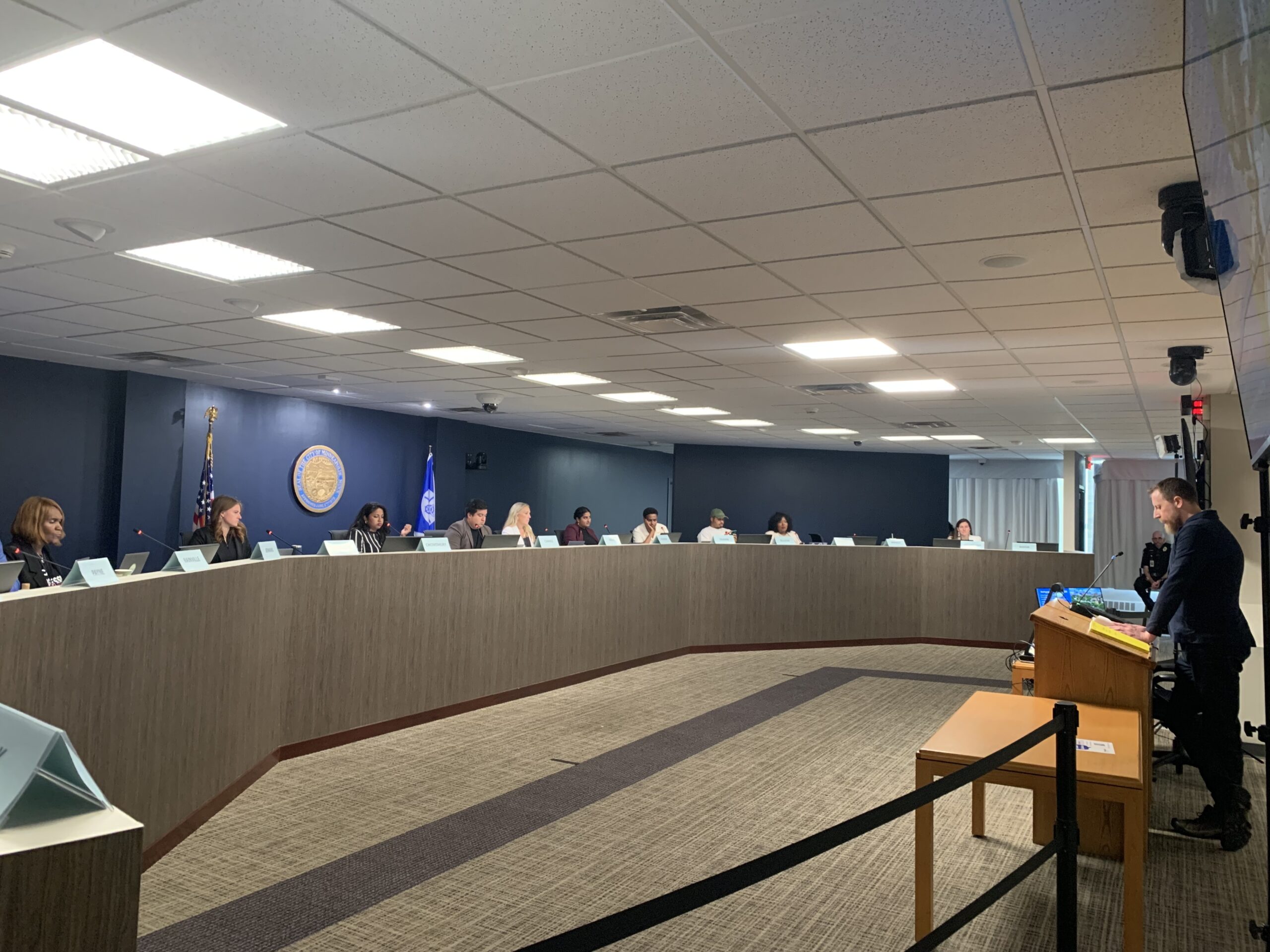
In today's main story, when federal agents showed up in South Minneapolis this June, city police soon followed. That decision has sparked questions about whether Minneapolis is living up to its policy of keeping police out of immigration enforcement. Here's North Star Stories' Xan Holston.
Video Audio: Why are you here? Why are you covering your faces?
Xan Holston: When federal agents descended on the corner of South Minneapolis Lake and Bloomington avenues on June 3, bystanders thought they were witnessing an immigration raid. Minneapolis city council member Auren Chowdhury describes it.
Auren Chowdhury: Armored vehicles, heavily militarized, federal agents, ICE, HSI. We saw individuals with large weapons.
Xan Holston: Homeland Security Investigations, a branch of Immigration and Customs Enforcement, or ICE, later said it wasn't an immigration raid, but part of a metro-wide drug and human trafficking operation that seized more than 900 pounds of methamphetamine. Federal agents called in the Minneapolis Police Department for crowd control, but under the city's separation ordinance, city employees, including police, are barred from participating in immigration enforcement.
Chief Brian O'Hara: We're responsible for just trying to keep this at the scene.
Xan Holston: MPD Chief Brian O'Hara tried to explain the police presence.
Chief Brian O'Hara: Yeah, we responded after the fact, because there's a crowd was forming and the federal agents asked for help.
Xan Holston: Days after the raid, the City Council ordered an after action review to determine whether MPD had broken the ordinance. City Auditor Robert Timmerman recently presented the results of that audit, which found no violation, but called it outdated and questioned whether it still worked as intended.
Robert Timmerman: Federal immigration enforcement tactics have changed dramatically since the adoption of this ordinance in 2003.
Xan Holston: A local activist group pushed the city council to adopt the separation ordinance in 2003 in response to immigration crackdowns following the September 11 attacks. It was meant to ensure immigrants could call 911, without fear of deportation.
Sally Lieberman: 2003 was a pretty bad year, and it was a really, really scary time for immigrant communities.
Xan Holston: Sally Lieberman was part of a different group at that time, pushing the council for a resolution opposing the USA Patriot Act, legislation that expanded surveillance and gave federal agencies broader powers to detain non-citizens without warrants. She said the ordinance served its purpose then, but now it needs more teeth.
Sally Lieberman: One of the hardest things to do is to address this question of police being on the scene where there's some kind of an ICE action going on.
Xan Holston: Now, immigrant rights activists are calling for an updated, stricter separation ordinance that bans MPD from doing crowd control and sharing information with federal agents during actions, as well as real consequences if the ordinance is violated.
Sally Lieberman: There isn't really any ordinance that can entirely protect us from, you know, from federal goons that don't respect people's rights.
Xan Holston: City Council members say they've already started working on an updated ordinance to better fit current enforcement tactics and close gaps that allow for cooperation between local police and federal immigration authorities. Meanwhile, the Trump administration threatened to withhold federal funding from states and cities it says are obstructing immigration enforcement. For North Star Stories, I'm Xan Holston.
ANCHOR: You are listening to North Star Stories.
The Minnesota Department of Agriculture is welcoming two new mental health providers to help the state's farmers. The two new counselors will be joining a third who has been serving the state since 2019. All three provide free confidential counseling to manage stress and help develop healthy coping strategies. The three also offer educational programs and workshops. The Minnesota Legislature funds the program, which is available to farmers, family members, employees, and agricultural workers. More information is available online at Minnesota Farm Stress dot com.
[sound element: NSS outro theme]
HOST: North Star Stories is produced by AMPERS, diverse radio for Minnesota's communities, with support from the McKnight Foundation and the State of Minnesota. Online at ampers dot org.