
In today’s stories, the state announces changes to its list of concerning chemicals. Then, as flu season approaches, questions about the vaccine are on Minnesotan’s minds. We try and answer them. And, Minnesota officially has a state fossil.
—–Executive Producer: Victor Palomino Producer: Britt Aamodt Anchor: Grace JacobsonReader scripting: Victor Palomino, Frankie Felegy Fact checking: Joel Glaser, Victor Palomino Editorial support: Emily Krumberger Mixing & mastering: Chris Harwood
Transcript
[sound element: NSS intro theme]
HOST: You're listening to North Star Stories: Voices from Where We Live, a daily newscast about what it means to live in Minnesota.
ANCHOR: In today's stories, the state announces changes to its list of concerning chemicals. Then, with flu season coming, questions about the vaccine are on people's minds. We try and answer them. And, Minnesota officially has a state fossil.
I'm Gracie J.
The Minnesota Department of Health has released its 2025 update to the Chemicals of High Concern list. The list identifies harmful substances found in common products sold in the state, including lead in toys, mercury in skin-lightening creams, and formaldehyde in laundry detergents. The Toxic Free Kids Program, which works to protect Minnesotans, especially children, from the health effects of toxic chemicals, has listed 15 additional chemicals and removed 200. You can find the full list by searching Minnesota Toxic Free Kids online.
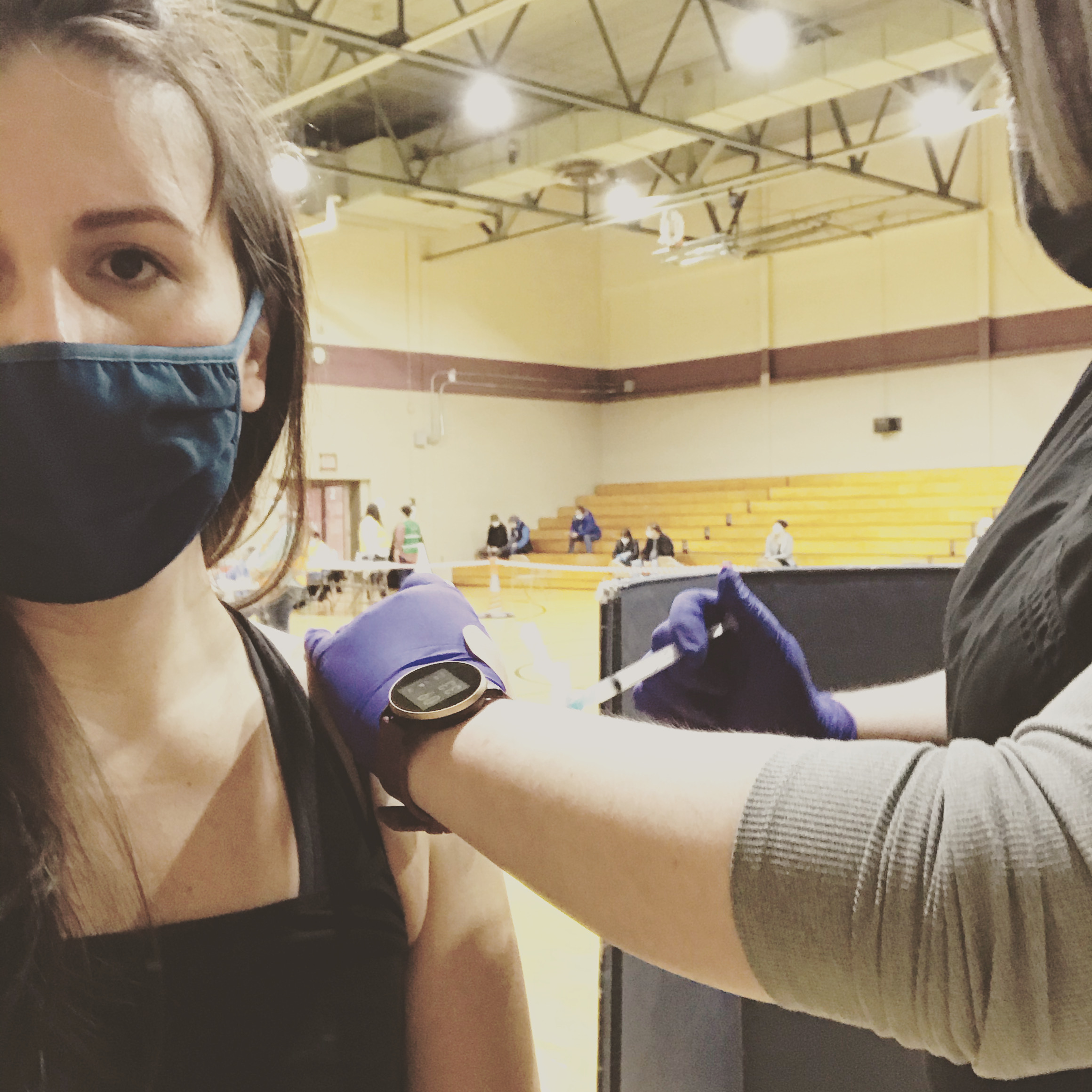
Next, Influenza season is fast approaching. Britt Aamodt reminds us that it's a good time to find out what you can do to stay healthy and if a flu vaccine is right for you.
Britt Aamodt: Flu season officially begins in October, and no one can yet predict how it will stack up. But last year, the Minnesota Department of Health tracked one of the worst in more than a decade.
Dr. Rebecca Wurtz: More severe in terms of more people going to their doctors, more people going to the emergency department, more people hospitalized for the flu.
Britt Aamodt: Dr Rebecca Wurtz, an infectious disease physician at the University of Minnesota's School of Public Health, says it wouldn't be unthinkable to see something similar this season as we play catch up after years of COVID isolation.
Dr. Rebecca Wurtz: During covid, people didn't get the flu, and now we're being exposed to it again.
Britt Aamodt: The Centers for Disease Control's recommendation is that everyone six months and older get a flu shot. But this year, that comes with a wrinkle. In July, the US Department of Health and Human Services, or HHS, asked that thimerosal, a mercury-containing compound, be removed from vaccines, including some flu vaccines. This has left consumers confused about the safety of their annual shot.
Dr. Rebecca Wurtz: People are worried about exposure to mercury.
Britt Aamodt: For a decade, thimerosal has only been used in multi-dose flu vaccines. It's a preservative that prevents contamination when a vaccine has to be delivered over multiple days. Most of the influenza vaccine distributed in the United States is in a single dose syringe. This means that the HHS decision has no bearing on your one-and-done jab, because it already doesn't have the preservative. But now it's across the board.
Dr. Rebecca Wurtz: This year, for 2025 2026, no flu vaccines will have a preservative that contains mercury in them. That concern has been dealt with.
Britt Aamodt: Regardless, she says that the tiny amount used in multi-dose vaccinations was not harmful. Yet, some remain skeptical. Leo Cashman is one of the founders of the Minnesota Natural Health Coalition, which advocates for freedom of choice in healthcare. He thinks getting rid of thimerosal is a move in the right direction.
Leo Cashman: They're clearly sounding the alarm about any mercury of any amount in any vaccine.
Britt Aamodt: He's equally concerned about workplaces and schools that might require vaccines.
Leo Cashman: They don't have the right to coerce any of us into taking a vaccine or any other medication. We encourage people to make up their own mind.
Britt Aamodt: Public health physician Dr Rebecca Wurtz still sees the vaccine as the best and safest bet for flu season.
Dr. Rebecca Wurtz: The flu is a serious illness. And the vaccine, while not 100% effective, is really valuable for people at serious risk for complications of the flu, older people, immunocompromised people, people with serious underlying illnesses. If they're worried that they have the flu, then by all means they should contact their doctor and potentially go to an emergency department.
Britt Aamodt: This is Britt Aamodt for North Star Stories.
ANCHOR: You are listening to North Star Stories.
Castoroides ohioensis. That may not be a species you hear every day, or one that is easy to say. But it is now officially the state fossil. The giant beaver has gone by many names, from capa in Dakota to amik in Ojibwe. It's been extinct in Minnesota for about ten thousand years. It was the largest rodent ever to live in North America. They grew up to seven feet long and could weigh as much as two hundred pounds – the size of a small bear.
[sound element: NSS outro theme]
HOST: North Star Stories is produced by AMPERS, diverse radio for Minnesota's communities, with support from the McKnight Foundation and the State of Minnesota. Online at ampers dot org.